Carpet and Upholstery Cleaning After Building Work
Why fine renovation dust settles deep into carpets, rugs and sofas, why it keeps reappearing, and how a proper deep clean actually clears it.
- Clears fine plaster and renovation dust
- Extraction that lifts it out, not just the surface
- Backed by our re-clean guarantee

The builders have finished, the dust sheets are off, and the room looks done. Then a fine grey haze keeps settling on everything, and the carpets and sofas never quite feel clean. Here is why that happens, and what actually clears it.
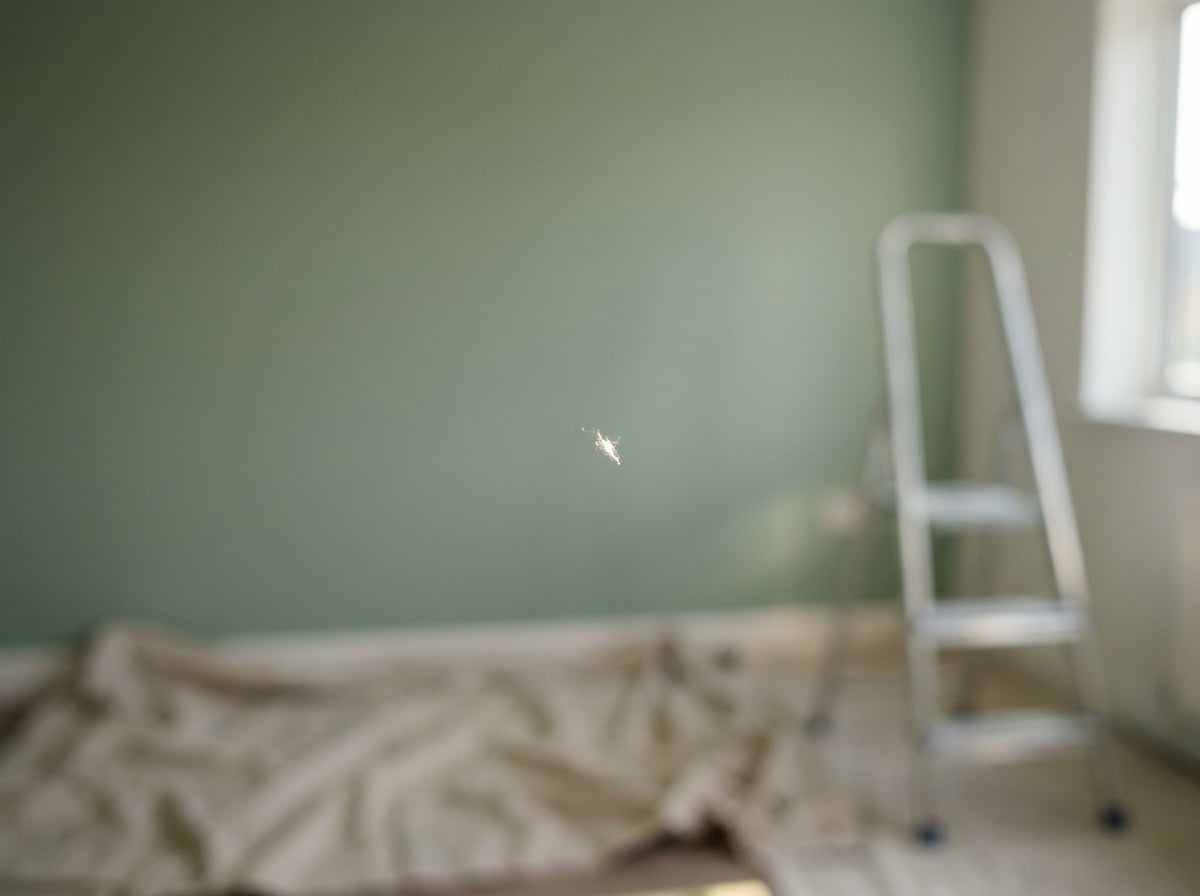
A vacuum will not fix it, but a deep clean will.
Building dust is superfine, so it works deep into carpets and soft furnishings. Hot water extraction flushes it out of the pile for good, rather than lifting the surface and letting it settle back.

Jump to a section
Why building dust is different
Why a vacuum only lifts the surface
Why extraction is what removes it
The order to clean in
What to expect and dry times
Our post-renovation process
The Golden Guarantee
Why Building Dust Is Different
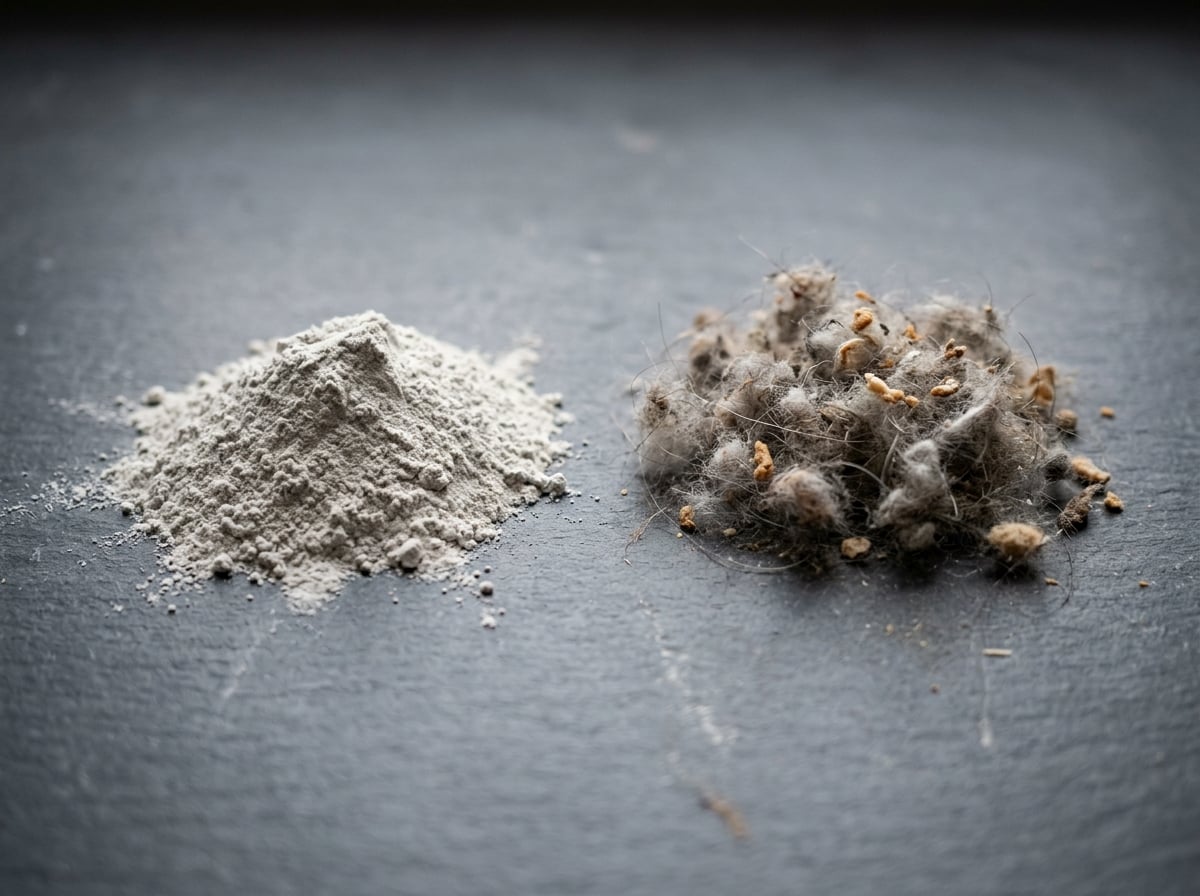
Ordinary household dust is mostly skin, fibres and grit. Building dust is another thing entirely. Plaster, sanding, cutting and drilling throw off a superfine powder, far finer than the everyday dust your vacuum is built for. It hangs in the air for hours, drifts through the whole house, and settles into every soft surface it can find.
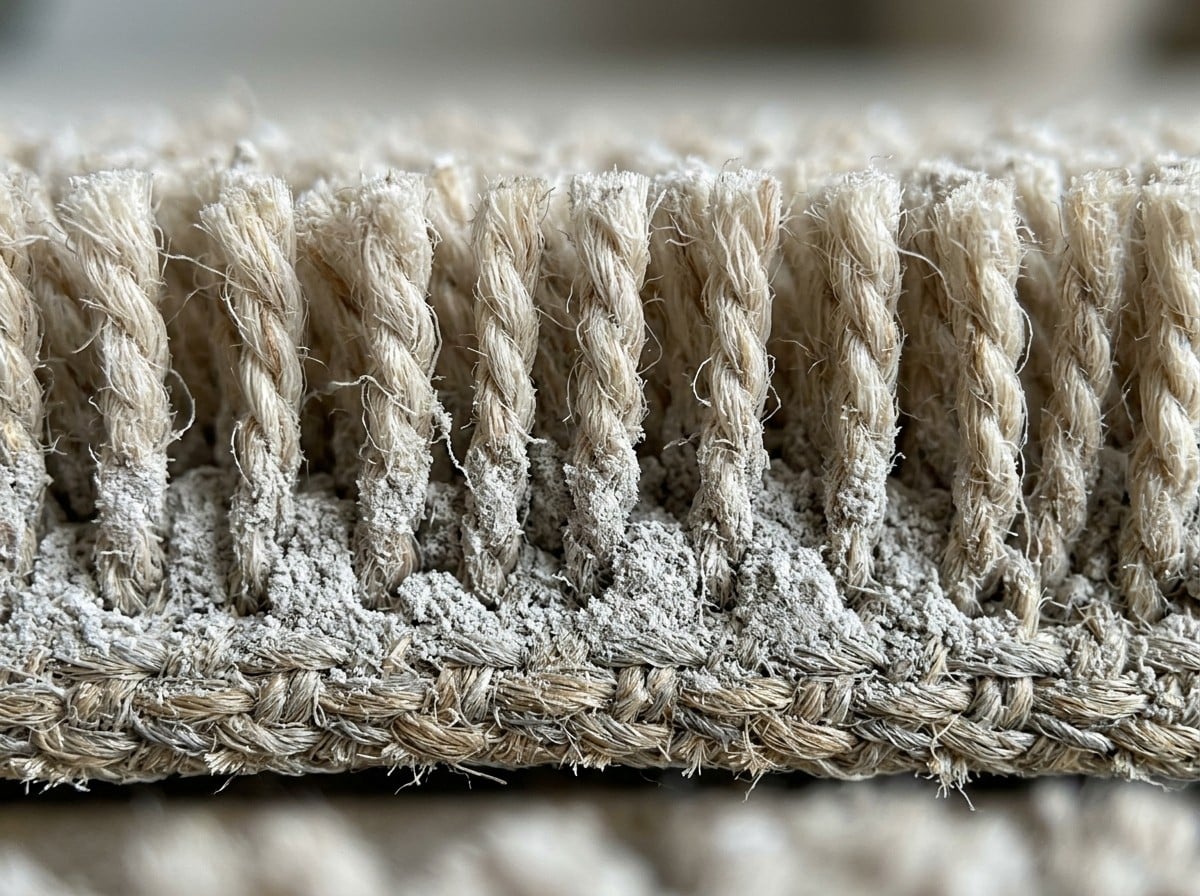
That fineness is the whole problem. Because the particles are so small and light, they work their way down between the fibres of carpets and rugs, and into the padding of sofas and armchairs. They do not sit neatly on top waiting to be lifted. They bed in, low in the pile, where a normal clean never reaches.
It matters for comfort as well as looks. According to Asthma and Lung UK, 1 in 2 people with a lung condition say that dust makes their condition worse, and post-renovation dust is exactly the kind that lingers in a room long after the work is done. Clearing it properly is worth doing well.
Where Building Dust Hides After The Work
Once the visible mess is swept up, the fine dust settles into the places you cannot easily clean. These are the ones people miss.
- Deep in the base of the carpet pile, below where a vacuum reaches
- In the cushions, seams and padding of sofas and armchairs
- Worked into rugs, which hold dust in both the pile and the backing
- Settled into curtains, mattresses and anything left uncovered
- Re-settling for days, so surfaces look dusty again by morning
- Spread well beyond the room the work was actually done in
So why does the usual answer, a good vacuum, not solve it? Here is what a vacuum can and cannot do.
Why A Vacuum Only Lifts the Surface
A vacuum is the obvious first move, and it does help. But with building dust it only ever gets you part of the way. Here is why.
A domestic vacuum works by pulling air across the top of the pile. It lifts what is loose and near the surface, which is most of everyday dust. That is exactly what it is designed for, and for normal use it does the job well.
Renovation dust is a different challenge. Because it is so fine, a lot of it has already dropped past the reach of that airflow, right down to the base of the pile and into the padding beneath. The vacuum skims the top, the room looks better for a while, then footsteps and movement stir the fine dust below back up to the surface. That is the haze that keeps returning a day or two later, no matter how often you go over it.
There is a second catch. A standard vacuum can push some of that superfine dust straight back out through the exhaust and into the air, where it drifts and re-settles. So you can end up moving the dust around the room rather than removing it from the home.
We hoovered every day and it still looked hazy by the next morning. It only really stopped once the carpets were properly deep cleaned.
Why Extraction Is What Removes It
This is where a professional deep clean does something a vacuum cannot. Instead of skimming the top, hot water extraction reaches all the way down to the base of the pile and flushes the fine dust out.
The method is straightforward. Warm water and gentle agitation loosen the dust that has bedded in low in the fibres. Then a powerful extraction wand draws it straight back out, dust and dirty water together, into a recovery tank that leaves the room with us. Nothing is kicked back into the air, and nothing is left sitting near the surface to re-settle.
It works on soft furnishings the same way. Sofas, armchairs and rugs all hold building dust in their padding and backing, and in our experience they are the parts most often overlooked after a renovation. Cleaning them alongside the carpets is what makes the difference between a room that looks done and one that finally feels clean.
What A Vacuum Does
- Lifts loose dust from the top of the pile
- Leaves the fine dust bedded in below
- Can push superfine dust back into the air
What Extraction Does
- Reaches the base of the pile and the padding beneath
- Flushes the fine dust out and draws it away with the water
- Cleans carpets, rugs and upholstery together
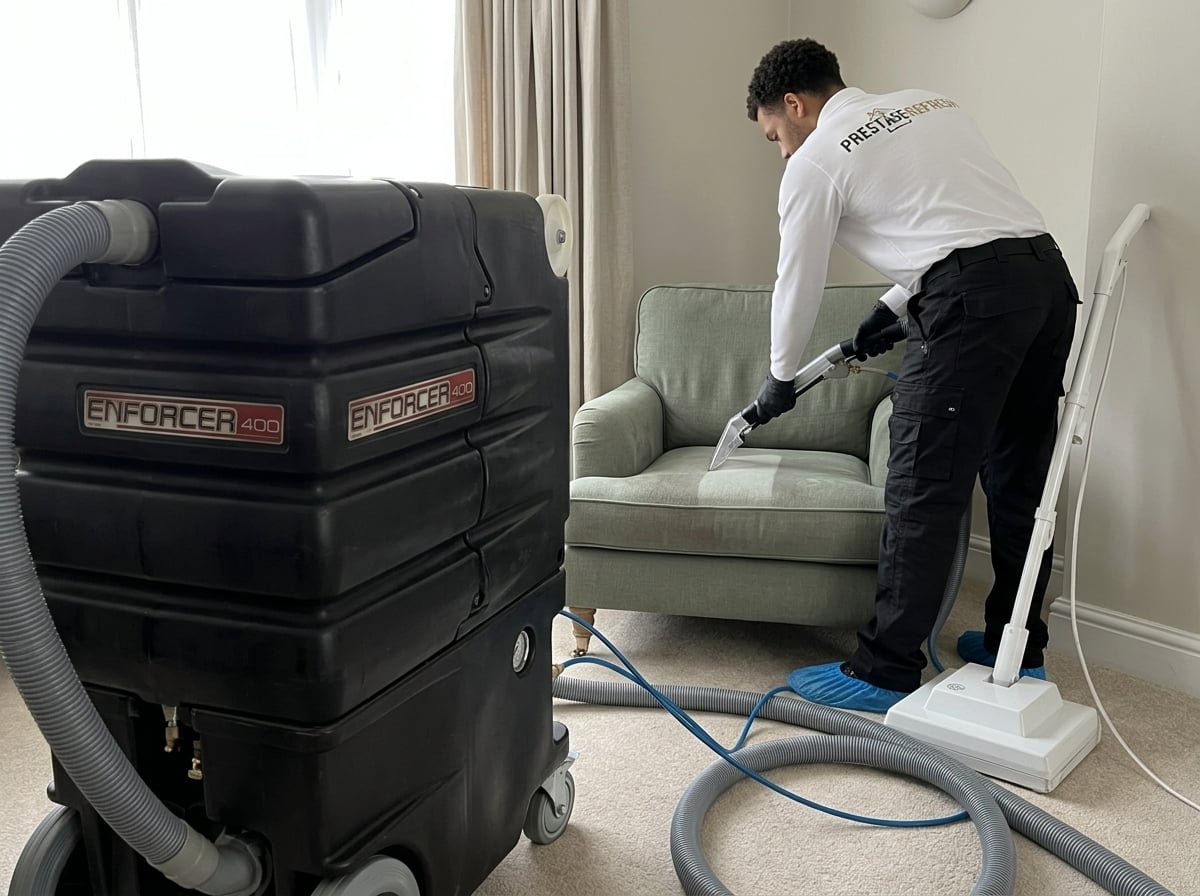
The same goes for sofas. In our experience a settee left through a renovation holds far more fine dust than it looks, and a proper upholstery clean is what brings it back to how it should feel to sit on.
Just Finished A Renovation?
Tell us what has been done and which rooms took the dust, and we’ll talk you through what we’d clean and in what order to clear it properly. Take your time deciding.
The Sensible Order to Clean In
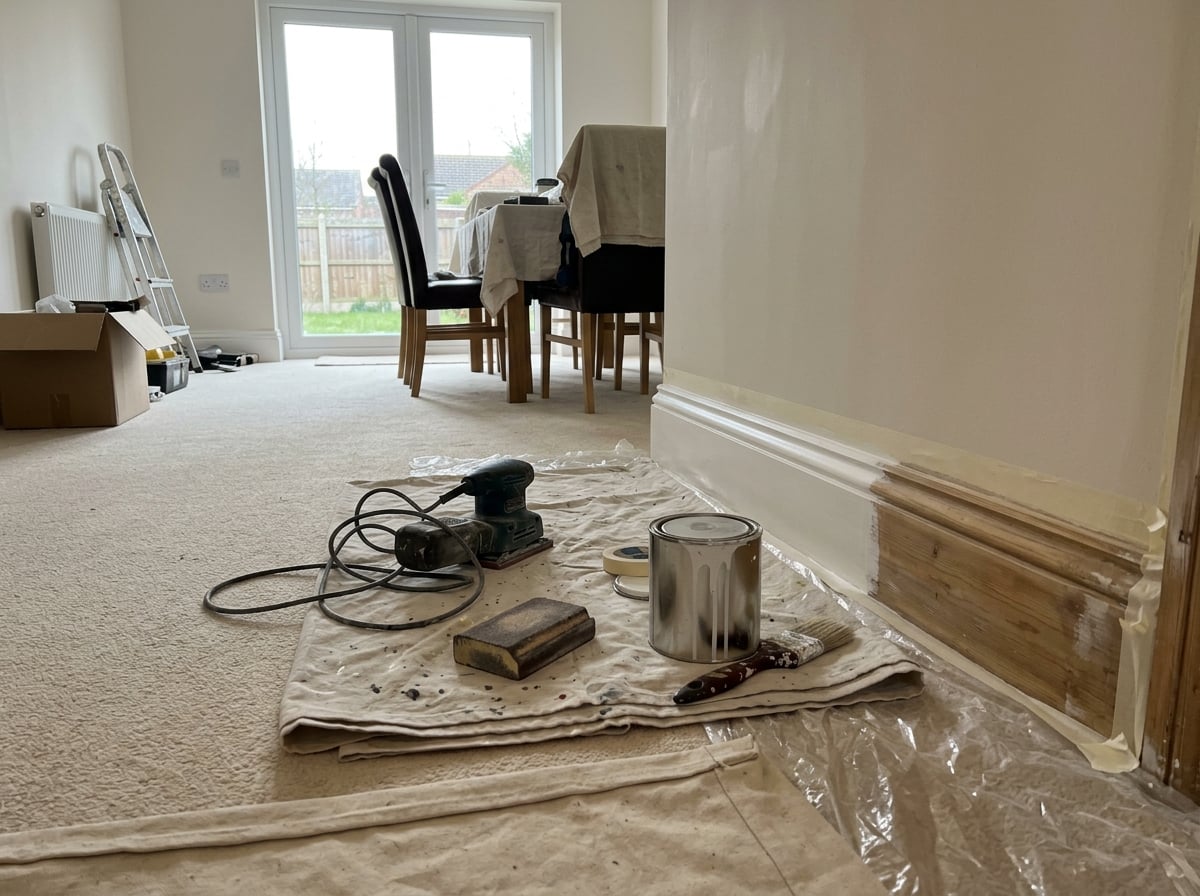
Timing is the part most people get wrong. Clean the soft furnishings too early and the dust simply settles back into them.
The single most useful thing to know is this: clean the carpets, rugs and upholstery last. Fine dust keeps drifting and settling for as long as any dusty work is still being done, and for a while after. Deep clean before that has stopped and fresh dust lands straight back into freshly cleaned fibres, so you pay for a clean and lose it within days.
So finish the dusty work first. That means all the sanding, cutting and drilling done, hard surfaces wiped down, floors swept, and the rooms given a chance to air out. Only once no more dust is being made is it worth deep cleaning the soft furnishings, because then the clean holds.
- Finish all sanding, cutting and dust-making work before anything soft is cleaned
- Wipe down hard surfaces and take up dust sheets carefully, folding the dust inward
- Open windows and let the rooms air out so settled dust carries off
- Deep clean carpets, rugs and upholstery last, once the dust has stopped
In our experience the jobs that hold best are the ones cleaned after every dusty task is done. If a room is still being worked on, it is usually worth waiting a few days so the clean lasts rather than being undone by the next round of dust.
What To Expect, And Dry Times
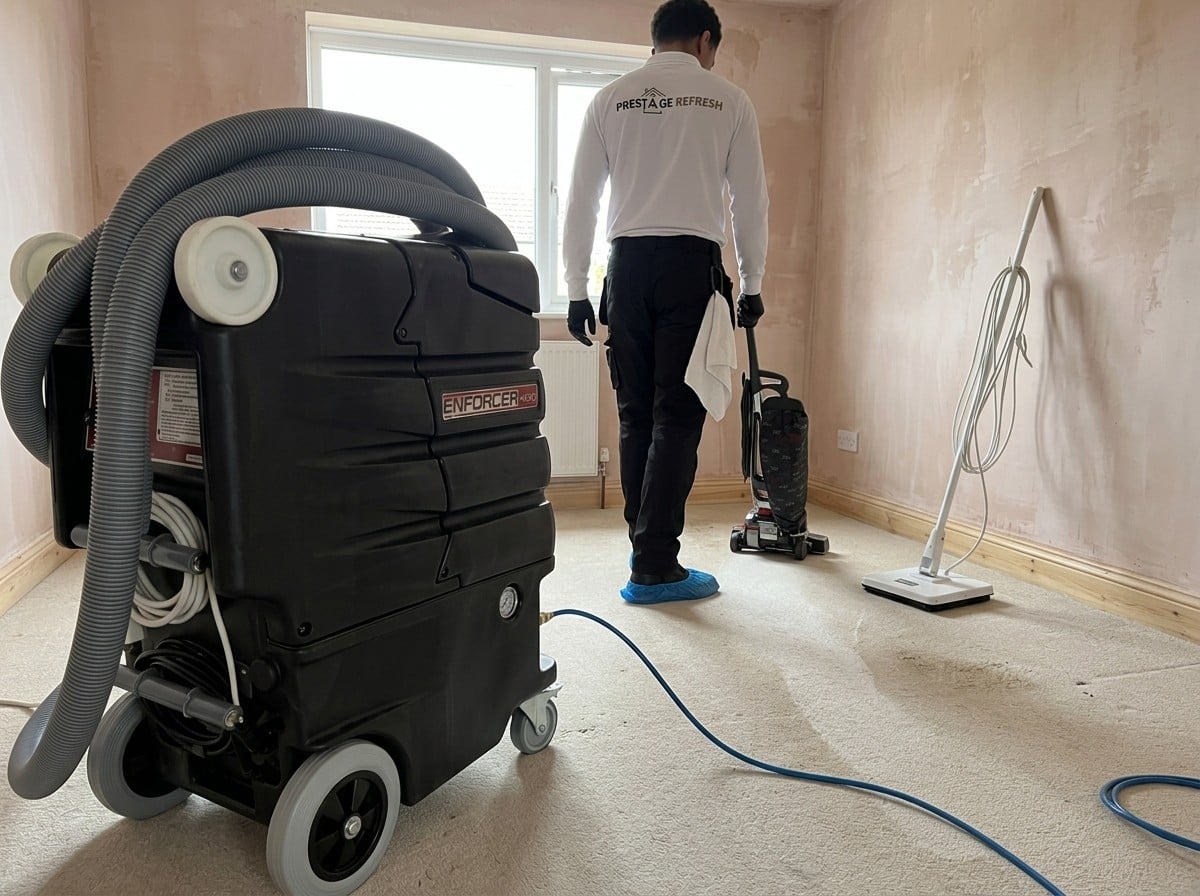
A post-renovation clean is calm and self-contained. We start by inspecting the rooms and spot-testing a hidden area, so we know how the fibres will respond before any water goes down. Then it is dry vacuum first, agitation to loosen the bedded-in dust, hot water extraction to flush and draw it out, and a groom to finish.
Because building dust is so fine, we do not rush the extraction pass. The aim is to pull the dust out of the base of the pile and the padding, not just freshen the surface, so the room stays clear afterwards rather than clouding over again.
On drying, a freshly cleaned carpet or sofa is damp, not soaked. It usually dries in six to twelve hours, sooner with warmth and airflow and longer without. Opening windows speeds it up, and where timing matters we offer a same-day dry as a priority.
Cleaned Too Early
- Fresh dust settles back into clean fibres
- The haze returns within days
- The clean has to be done again
Cleaned At The Right Time
- Done once the dusty work has stopped
- The fine dust is drawn out and stays out
- The room stays clear and the clean holds
If a little dust drifts back before you get the professional clean booked, blot spills with a clean dry cloth, keep vacuuming the surface, and leave the deep clean until the work is fully finished.
Our Approach: Inspect, Extract, Finish
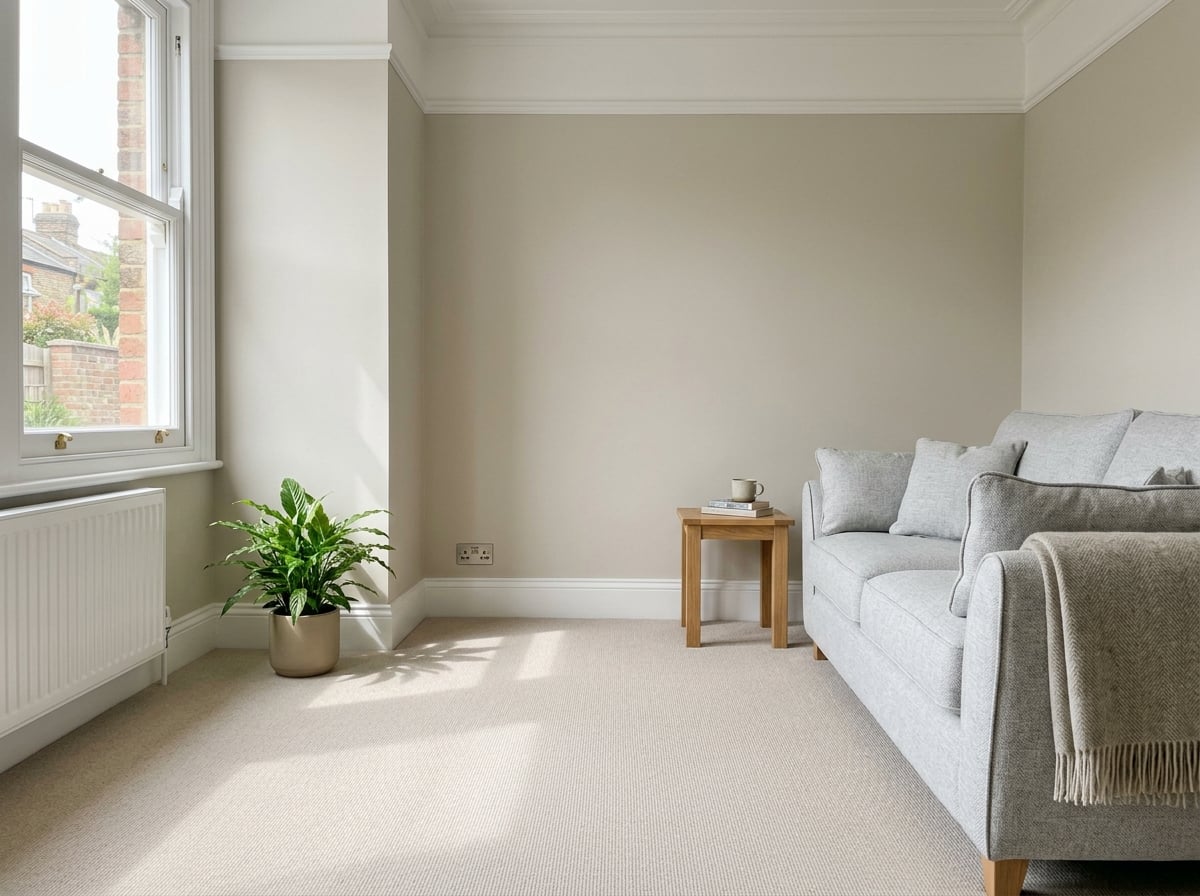
Our whole method is built to clear the dust and leave the room settled. Our products are WoolSafe approved, which means they are independently tested as safe for delicate fibres and for the people and pets living on them. We spot-test a hidden area first, dry vacuum before we extract, control the moisture so the area dries quickly, and finish with our Gold Musk deodorise so the room smells fresh rather than of dust. If a rug or fabric needs particular care, we will always tell you before we start.
Building dust is superfine, so it beds in deep and a vacuum only lifts the surface, which is why it keeps reappearing. A professional deep clean with proper extraction flushes it out of carpets, rugs and sofas for good. Clean the soft furnishings last, once the dusty work is done, and the clean holds.
Our Post-Renovation Cleaning Process
It isn’t one step. It’s a simple sequence built to clear the dust and keep the clean holding afterwards.
Inspect & TestWe check the rooms and spot-test a hidden area, so we know how the fibres will respond before any water goes down.
Dry VacuumA thorough dry vacuum lifts the loose dust first, so the extraction can reach what has bedded in below.
ExtractHot water extraction flushes the fine dust from the base of the pile and the padding, then draws it out with the water.
Deodorise & FinishWe groom the pile and finish with our Gold Musk deodorise, so the room dries fresh and clear, usually in six to twelve hours.
Why Prestige Refresh
When customers tell us why they chose us, the same four reasons come up. They’re the standard we hold every job to.
What Customers Say
We could tell you we clear renovation dust properly. It means more coming from the people we’ve actually cleaned for. We’re rated 5.0 from 338 Google reviews, and these come straight from them, unedited.
Our Golden Guarantee
The Golden Guarantee
We clear the dust and leave the room settled. Proper extraction, soft furnishings cleaned last, and clear communication, backed in writing.
Quick Answers
Why does building dust keep coming back after I vacuum?
Because building dust is superfine. Plaster, sanding and cutting dust is far finer than everyday household dust, so it works its way down into the pile and into the padding of sofas and rugs. A domestic vacuum lifts what sits near the surface, but the fine dust below settles back up as you walk the room, which is why it looks clean then hazy again a day later.
Can I just vacuum the dust out after a renovation?
Vacuuming helps at the surface, but it will not clear renovation dust that has worked deep into carpets and soft furnishings. A professional deep clean uses hot water extraction, which flushes the fine dust out of the pile and pulls it back out with the water, rather than stirring it back into the air.
When should I clean the carpets and sofas after building work?
Clean the soft furnishings last. Finish all the dusty work first, sanding, cutting, final sweeping and hard-surface wiping, then have the carpets, rugs and upholstery deep cleaned once no more dust is being made. Clean too early and fresh dust settles straight back into freshly cleaned fibres.
How long will carpets take to dry after a post-renovation clean?
usually six to twelve hours, sooner with warmth and airflow and longer without, much like washing on a line. Opening windows speeds drying, and a same-day dry priority is available where timing matters.
Let us know how we can help you today.