
This is the worry underneath a lot of hesitation. You have heard of a carpet shrinking, or colours running, or a clean leaving marks worse than the ones it removed. It is a fair question, and it deserves a straight answer rather than a brush-off.
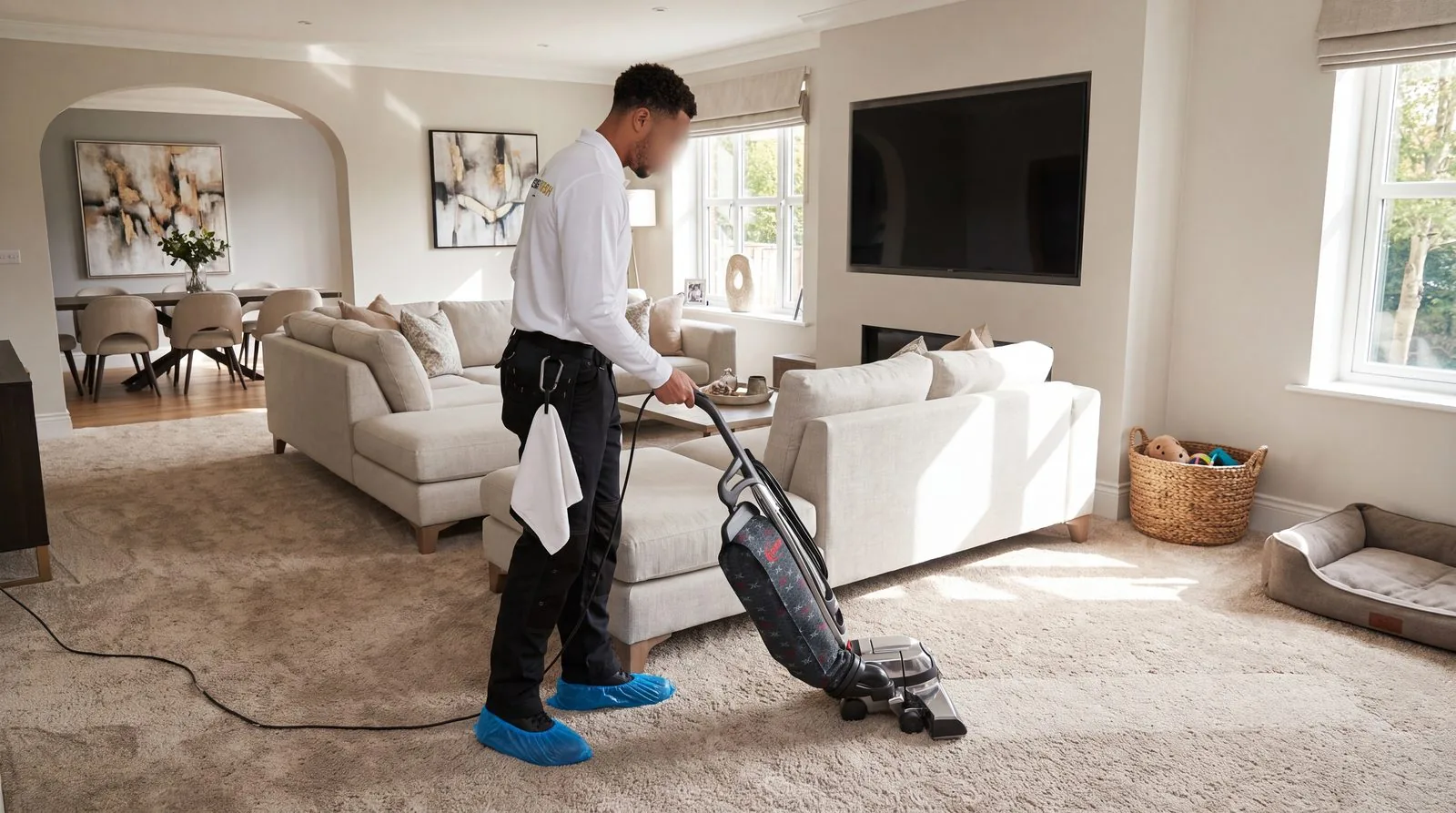
Bad cleaning can. A proper clean does not.
Every damage story starts with a shortcut: the wrong method for the fibre, no spot test, or more moisture than the carpet can give back.

Jump to a section
Can a clean really damage a carpet?
Natural vs synthetic fibres
What the shop never told you
The DIY spray trap
Shrinkage
Colour run
Watermarks & browning
Pile distortion & sticky residue
Tiles & wood floors
How we prevent all five
The Golden Guarantee
Can A Clean Really Damage A Carpet?
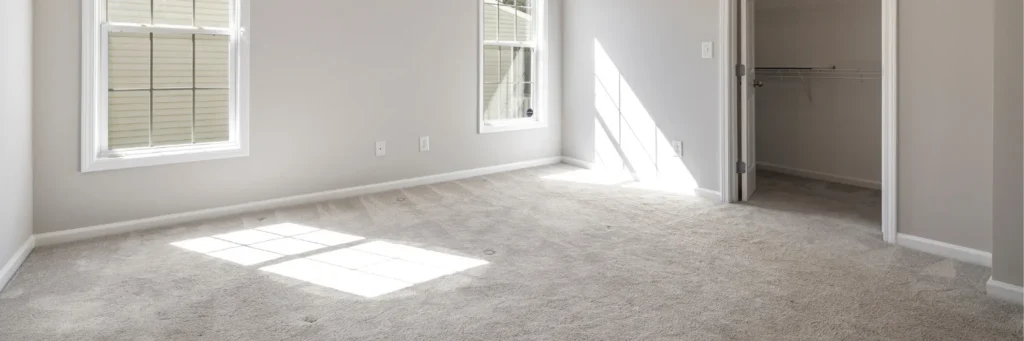
Yes, it can. A badly done clean can shrink a carpet, make its colours bleed, leave watermarks and brown patches, flatten or frizz the pile, or leave it sticky underfoot. We will not pretend otherwise, because pretending the risk does not exist is exactly how the damage happens.
None of it is caused by cleaning itself. Every failure comes from a shortcut. Get the method right and a professional clean is one of the gentlest things that happens to your carpet all year. Because no company is infallible, we are also fully insured, so the result is never your risk.

Red Flags: Signs A Cleaner Could Damage Your Carpet
If you hear or see any of these, it’s not cleaning that’s the danger, it’s the operator. Worth a screenshot when you’re comparing cleaners.
- One method for every job, no questions about the fibre
- No spot test before the main clean
- Soaks the carpet and leaves it sodden for days
- Harsh rotary brushing on a delicate pile
- Won’t tell you what products they’re using
- No insurance they can actually show you
It Starts With The Fibre: Natural vs Synthetic
Before any product or water goes near a carpet or a sofa, one thing decides whether cleaning is safe: what it is actually made of.
Almost everything in a home is one of two families, natural or synthetic. They can look and feel identical, but in a clean they behave like opposites, and that is where most damage begins.
Natural fibres
Wool · Cotton · Linen · Silk
- Soak up and hold water
- Bleach and alkalis attack them
- Can shrink, felt or water-ring
- Reward careful cleaning
Synthetic fibres
Polypropylene · Nylon · Polyester
- Barely absorb water
- Shrug off most chemicals
- Colour locked into the fibre
- Tolerate a firmer approach
Wool is the sharpest example of the risk: it is a protein, like hair, so bleach and heat attack it directly. A wool twist and a lookalike polypropylene loop need opposite treatment, and treating one like the other is the most common way a carpet gets harmed.
The same split runs through your furniture. A linen, cotton or wool-mix sofa reacts to bleach and over-wetting exactly as a wool carpet does; a polyester weave is far more tolerant. Sofas carry a cleaning code on the label (W, S, WS or X), but here is the part worth knowing: plenty are marked “dry clean only” or “do not wet clean” even when they clean up perfectly well with water.
That label is usually the manufacturer covering themselves, not a real limit. So we never take it at face value. We spot-test a hidden area first, and in most cases the proper clean for a fabric sofa is exactly what the label warns against, done carefully: cloths, controlled water and extraction to lift the soil back out.
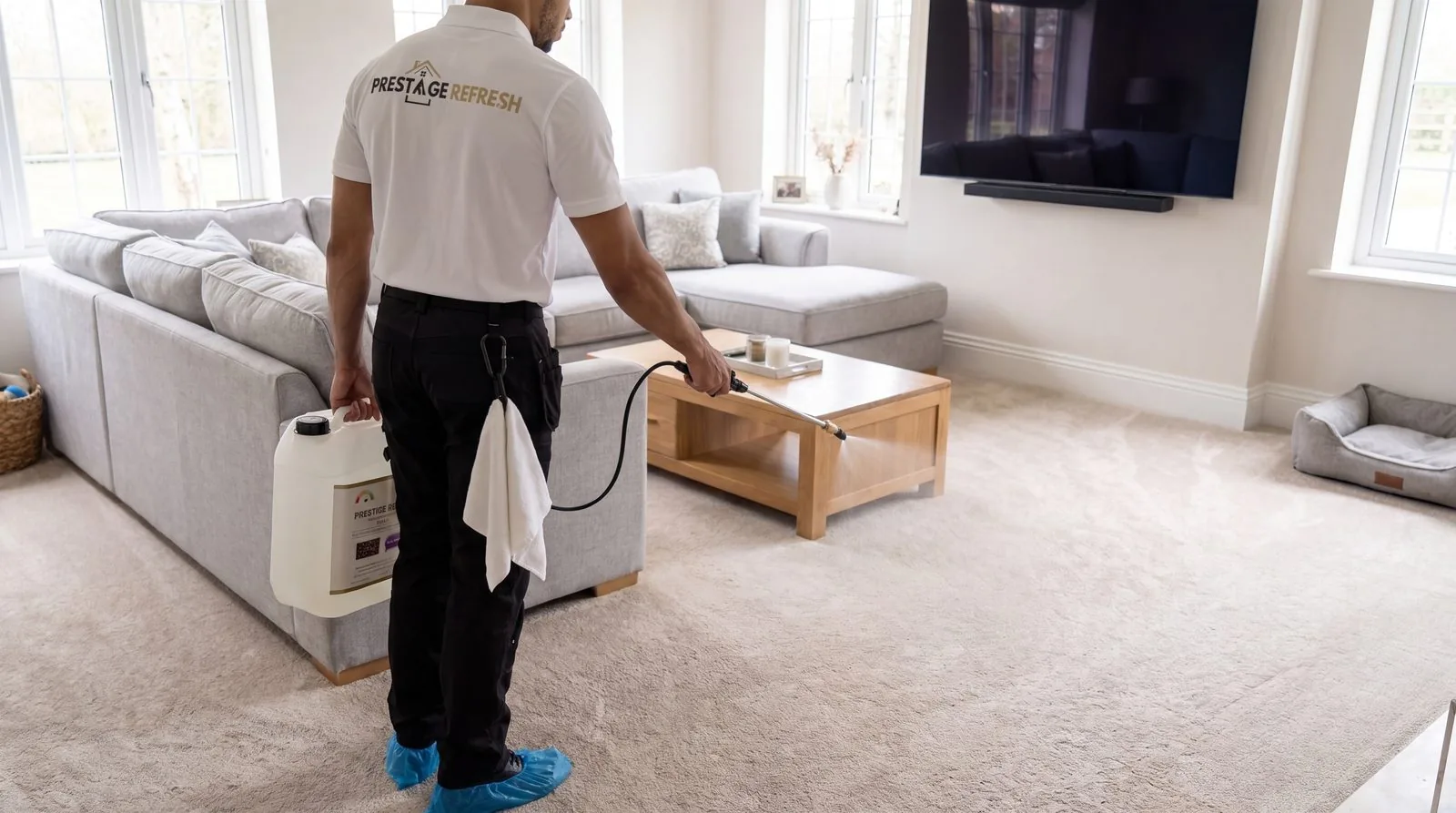
This is why we identify the fibre before anything touches it, spot-test before we start, and clean with WoolSafe-approved products, independently tested as safe for natural fibres. On carpets, the hot water extraction we use is also the method most carpet manufacturers recommend, so a proper clean protects the warranty rather than risking it.

The Part The Shop Never Told You
When a carpet or a sofa is sold, you are told how it looks and what it costs. You are rarely told what it is made of, how hard-wearing it actually is, or how it should be looked after. That gap is where a lot of avoidable damage begins.
Part of our job is to close that gap. If nobody has explained it before, we will: what your carpet or suite is made from, how it behaves, and the simplest way to keep it at its best.
The more you understand the material, the longer it lasts, and if you have not been told any of this until now, you are far from alone.
Here is a rule of thumb worth carrying. As a general guide, the more you paid, the more likely it is to be a natural fibre, and the more care it will want.
A fine wool carpet or a linen sofa is closer to a Ferrari than a runabout: lovely to own, and worth looking after properly. Natural fibres reward maintenance and punish neglect, so the upkeep is simply part of owning something good.
This is exactly why we recommend Gold Guard on natural and delicate fibres. It is a protective layer that bonds to the fibre and buys you time: spills bead on the surface instead of soaking straight in, everyday soil grips less, and the fibre is shielded from the things that quietly age it, including the airborne sulphur that can dull and yellow wool over the years.
On the right carpet or sofa, it is one of the best-value things you can do to protect what you have paid for.
The DIY Trap: The Sprays That Cause Most Damage
Most of the ruined carpets and sofas we are called out to were never touched by a cleaner. They were damaged at home, with a shop-bought spray used in a hurry.
Oxi powders, bleach-based spot removers, “stain destroyer” sprays and DIY protector and stain-guard products are built to be strong.
On the wrong fibre that strength turns against you: the dye lifts, a pale bleached patch appears, or you are left with a ring that is far harder to put right than the mark you started with. We see it most on wool and on natural-fabric sofas, where the fibre simply cannot take a harsh chemical.
Here is the part almost everyone misses. The label on those bottles nearly always tells you to patch-test on a hidden area first, and to follow the dilution and the dwell time exactly.
Under the panic of a fresh spill, that step gets skipped, and that is the moment the damage is done. The instruction to test first is printed on the bottle for a reason: follow it every time.
And the fibre decides the risk. On a polypropylene carpet, many of these products are perfectly fine, because the fibre resists them.
On wool, cotton, linen or any natural fabric, a product that is not WoolSafe-approved should never go anywhere near it. The simple version: if it is not marked safe for wool and natural fibres, treat it as unsafe for them.
Blot a spill, never rub. Test any product on a hidden corner and wait to see the result. And if you are not certain the fabric is synthetic, leave it and call us. A quick spot call-out costs a fraction of a re-dyed carpet or a bleached sofa cushion.
That covers what happens at home. Now the five ways a clean itself can go wrong, one at a time, and what stops each one.
Shrinkage: Over-Wetting The Wrong Carpet
The horror story everyone has heard. A carpet cleaned in the morning, rippled or pulled off its grippers by the evening.
Shrinkage happens when a natural-fibre carpet, wool especially, or a carpet with a jute backing, takes on far more water than it can release. The backing swells, then dries tight, and the carpet pulls away from the edges of the room. It is almost always a moisture problem, not a cleaning problem.
The prevention starts before any water goes down: we identify the fibre and the backing first, so the method is matched to the material. A wool twist and a synthetic loop do not get the same clean.
From there, moisture is applied in controlled, measured amounts and extracted straight back out, so the backing never takes on more than it can comfortably give up.
There is also a part of this that is not about cleaning at all. If a carpet was not fitted tightly to begin with, not stretched onto its grippers properly when it was laid, it will move far more easily the moment any moisture goes in.
In those cases the shrinkage or rippling is really a fitting problem showing up during a clean, rather than a fault of the clean itself. A carpet that was laid well has far more tolerance.
On wool carpets in particular, if a little more moisture goes in than the fibre would like, you can sometimes see a slight ripple appear as it dries.
Nine times out of ten the right thing to do is simply leave it to dry fully and settle. As the fibres give up the moisture and the backing relaxes, the ripple almost always pulls flat again on its own.
And in the rare case where a carpet does move and does not settle back, that is not the end of it either.
We arrange for a fitting specialist to come out and re-stretch the carpet back onto its grippers, returning it to its original state. It is an uncommon step, but it exists, so a worry about shrinkage never has to be a permanent one.
I’d put off having the wool carpet cleaned for years because I was scared it would shrink. It came up beautifully and was dry by teatime.
Colour Run: The Wrong Chemistry On Unstable Dyes
Some carpets hold their colour less firmly than others, older carpets, hand-dyed rugs, and rich reds and blues in particular. Put an aggressive or wrongly diluted product on an unstable dye and the colour can bleed, leaving halos and smears that are very difficult to reverse.
This is exactly why the spot test exists, and why we do one before every clean without exception. We test our products on an inconspicuous corner, behind a door or inside a cupboard line, and check the cloth.
If a dye is going to move, it shows up there, on a patch nobody will ever see, not across the middle of your lounge. Our products are also WoolSafe approved, independently tested as safe for delicate fibres and the dyes they carry.
Nervous About A Particular Carpet?
Tell us what it is, wool, a hand-made rug, an old favourite, and we’ll tell you exactly how we’d approach it before you decide anything.
Watermarks & Browning: Too Much Water, Too Slow To Dry
The tide marks and dull brown patches that appear a day after a bad clean. Both come from the same mistake.
When a carpet is over-wetted and left to dry slowly, moisture wicks up through the fibre and carries old soil from the backing to the surface. That is browning, and watermarking is its cousin: uneven drying leaving lines where wet met dry. Both come from too much water going down and staying down, not from the clean itself.
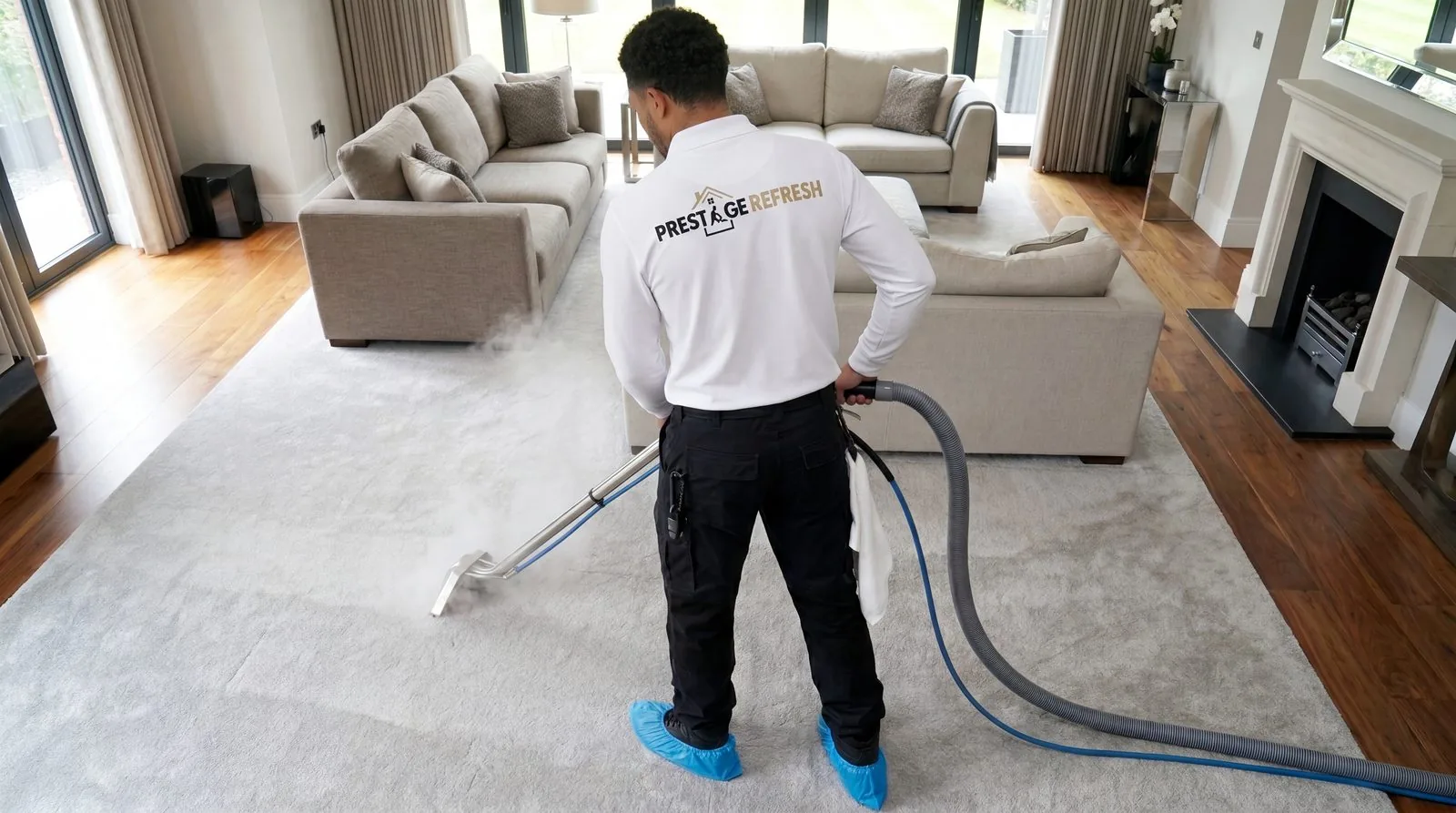
Our answer is measured application at one end and active drying at the other. Moisture goes down in controlled amounts, the extraction pulls the great majority of it straight back out, and dry pods keep the air moving so the carpet dries evenly, usually in around four hours. Even drying means no lines, no wicking, no brown patches.
One thing to expect on natural fibres: they hold water for longer, so they dry more slowly, and that is completely normal. Wool, linen and silk can take two or three times as long to dry as a synthetic carpet, and the more moisture that goes in, the longer it takes.
It is not a sign of a problem, it is simply the fibre doing what it does. It is also why we keep the moisture measured and the air moving, so that even a wool carpet is left damp rather than wet, and dries within a sensible window instead of sitting sodden for days.
A properly cleaned carpet should be damp to the touch, not wet, and dry in around four hours, though it can range from one to twelve depending on the material. If a cleaner tells you to expect two soggy days, the moisture was never under control. If timing matters, ask about our same-day dry as a priority.
Pile Distortion & Sticky Residue: The Finishing Failures
The last two failure modes are quieter, but they are the ones you live with every day. A pile that has been scrubbed with a harsh brush can end up flattened, frizzed or permanently fuzzy, especially on cut-pile and wool carpets.
And a carpet dosed with too much detergent that never gets rinsed out dries sticky, grabs dirt from every footstep, and looks grubby again within weeks. In our experience, that sticky residue is behind most “it got dirty faster after the clean” complaints.
The groom at the end matters more than people think. It lifts the pile back to attention so it dries the way it was made to sit, which is the difference between a carpet that looks cleaned and a carpet that looks new-laid.
Tiles & Wood Floors: A Different Set Of Risks
Everything above is about soft fibres. Hard floors can be damaged too, but in their own way, and the mistakes that harm them are different ones.
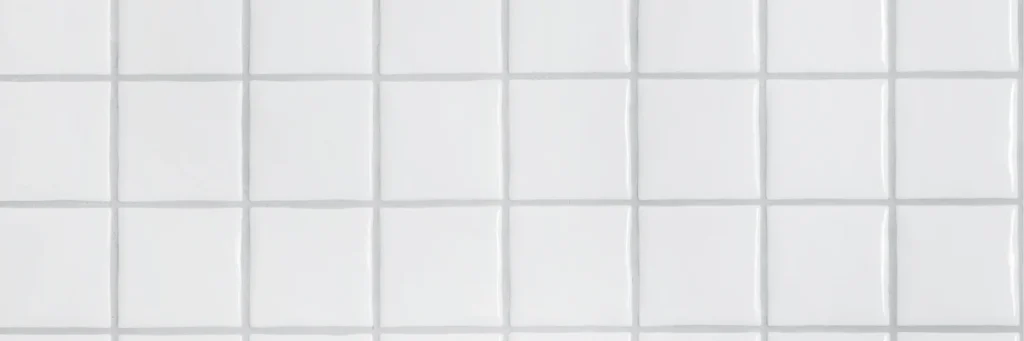
On tile and stone the tile itself is usually tough, but the grout and the sealant are the weak points. Harsh or acidic cleaners can strip a sealant and leave the grout open to staining, and on natural stone such as marble, travertine or limestone, an acidic product can etch and dull the surface for good.
The fix is the same principle as carpet: identify what the floor actually is, choose a product with the right pH for it, and never reach for something aggressive to save time.
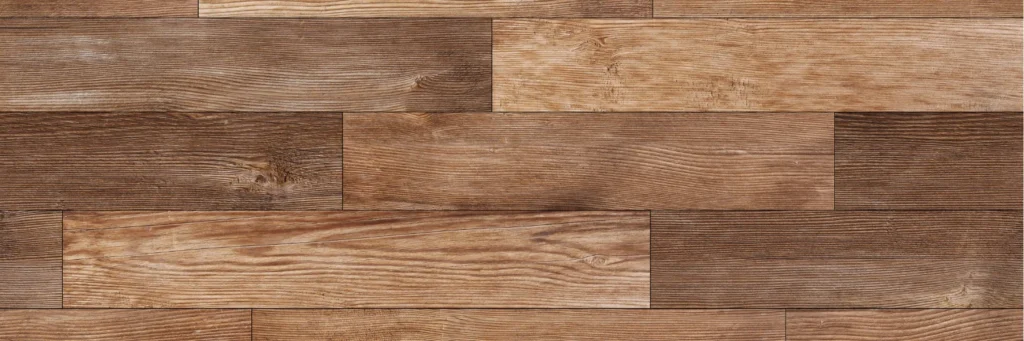
On wood and laminate, water is the thing to respect. Real wood swells, cups and warps if it is over-wetted or left standing, and on laminate, water that works into the seams lifts and bubbles the boards from the edges.
It also matters whether a wood floor is oiled or lacquered, because the two want different care. We clean hard floors with controlled moisture and the finish matched to the floor, so it comes up clean and dry without ever being soaked.
So the headline holds across every surface in your home: damage comes from the wrong method or the wrong product on the wrong material, never from cleaning done properly.
Whether it is a wool carpet, a linen sofa or a stone floor, the safe approach is the same one, know the material, test first, control the moisture, and match the chemistry to what you are actually cleaning.
How We Prevent It All, On Every Clean
It isn’t luck and it isn’t caution for its own sake. It’s a sequence, and every step exists to close off one of the failure modes above.
Identify & TestWe check the fibre and backing, then spot test our products on a hidden corner before the main clean.
Measured CleanAgitation matched to the pile, products at the correct dilution, hot water extraction pulling it all back out.
Dry ProperlyDry pods keep the air moving so the carpet dries evenly, usually in around four hours.
Groom & CheckThe pile is groomed to dry upright and even, and we check the result with you before we leave.

Why Prestige Refresh
When customers tell us why they chose us, the same four reasons come up. They’re the standard we hold every job to.
What Customers Say
We could tell you we’re careful with delicate carpets. It means more coming from the people we’ve actually cleaned for. We’re rated 5.0 from 338 Google reviews, and these come straight from them, unedited.
Our Golden Guarantee
The Golden Guarantee
Fibre identified, colours tested, moisture controlled, and everything rinsed back out. The careful way, backed in writing.
Quick Answers
Can professional carpet cleaning damage your carpet?
Bad cleaning can. Shrinkage, colour run, watermarks, a flattened pile, and sticky residue are all real, and every one is caused by a shortcut: the wrong method for the fibre, no spot test, or more moisture and product than the carpet can give back.
A proper clean identifies the fibre first, spot tests in a hidden corner, controls the moisture, and rinses everything back out.
Can carpet cleaning shrink my carpet?
Only if it is over-wetted. Natural-fibre carpets such as wool, and carpets with a jute backing, absorb water into the backing. If far too much goes down, the backing can swell, then dry tight and pull the carpet away from its edges.
Prevention is simple: identify the fibre before any water goes down, then apply moisture in controlled amounts and extract it straight back out.
What makes carpet colours run during a clean?
The wrong chemistry on unstable dyes. Some carpets, particularly older or hand-dyed ones, hold their colour less firmly, and a product that is too aggressive or wrongly diluted can make dyes bleed.
That is why a spot test in an inconspicuous corner comes before every clean: if a dye is going to move, it shows up on the test cloth, not across your carpet.
Why does a carpet feel sticky after cleaning?
Too much detergent left in the fibre. If a cleaner overdoses the soap and doesn’t rinse it out, the residue dries sticky, grabs dirt, and the carpet looks grubby again within weeks. A proper clean uses products at the correct dilution, then rinses and extracts them back out, leaving nothing behind but clean fibre.
Does it matter whether my carpet is wool or polypropylene?
It changes everything about how it should be cleaned. Wool is a natural protein fibre that needs gentle, WoolSafe chemistry, controlled moisture and careful drying. Polypropylene is synthetic, water-resistant and far more tolerant of stronger products. Using the same method on both is one of the main ways carpets get damaged, which is why we identify the fibre before we start.
Can I use a shop-bought stain remover on my carpet or sofa?
It depends entirely on the fibre. On a polypropylene carpet, many shop-bought sprays are fine, because the fibre resists them. On wool, cotton, linen or any natural fabric, a product that is not WoolSafe-approved can bleach or weaken it.
Always patch-test on a hidden area first and follow the label exactly, and if you are not sure the fabric is synthetic, leave it and ask us before you treat it.
Can cleaning damage a tile, stone or wood floor?
Yes, if the wrong product or too much water is used. On stone and tile the risk is an acidic or harsh cleaner etching the surface or stripping the sealant and grout.
On wood and laminate the risk is water: over-wetting can swell, cup or warp the boards, and water in laminate seams lifts the edges. A proper clean identifies the floor, matches the pH and finish to it, and keeps the moisture controlled, so it is cleaned safely.