Cleaning Wood, Laminate and Vinyl Floors
Each floor type needs different care, and over-wetting is the biggest risk. Here is how we identify and clean wood, laminate, LVT and vinyl safely.
- Controlled moisture, never soaked
- The right product matched to the floor
- Backed by our re-clean guarantee

Wood, laminate, LVT and vinyl all look like hard flooring, but they are made very differently, and the same clean that suits one can ruin another. The single biggest risk is over-wetting, so here is how each type is cleaned safely.
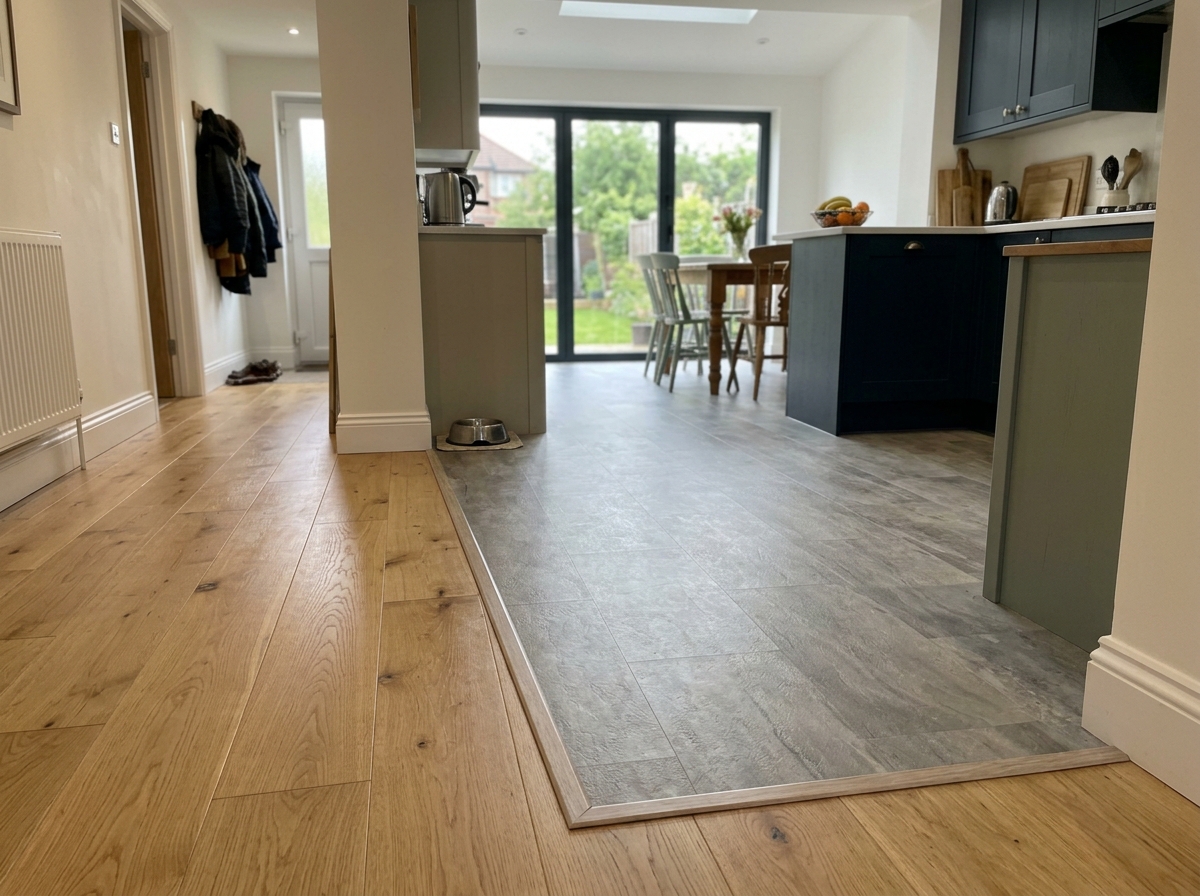
Match the method to the floor, and keep the water under control.
Real wood and laminate are cleaned damp, never soaked. LVT and vinyl take more moisture. We identify the floor, then clean it the right way.

Jump to a section
Why over-wetting is the real risk
Wood, laminate, LVT & vinyl explained
How we identify your floor
Cleaning each type safely
What we do and don’t do
Our hard-floor cleaning process
The Golden Guarantee
Why Over-Wetting Is the Real Risk
Most hard-floor damage we get called out to see is not from dirt. It is from water. Real wood and laminate hate standing water, and once it gets into the material the damage is often permanent.
Wood is a natural material that absorbs moisture. Leave water sitting on it and the boards can cup, swell or lift, and no amount of cleaning afterwards will flatten them back down. Laminate is worse in one specific way: under that printed wood-effect layer sits a fibreboard core, and water that seeps into the joints makes it swell and lift at the edges. You often cannot see it happening until the board has already gone.
Red Flags: When A Hard-Floor Clean Goes Wrong
If you see any of these on your floor, or hear a cleaner describe their method this way, it is worth pausing. This is what damages wood and laminate.
- The same soaking wet mop used on every floor type
- Water left pooling in the gaps between boards
- Boards that feel spongy, or edges lifting at the joints
- Steam mops used on laminate or an unsealed wood floor
- A sticky film left behind that footprints show up on
- A promise that a clean will fix scratches or worn finish
The reason it matters is that these four floors are built very differently, even when they look the same underfoot.
Wood, Laminate, LVT & Vinyl Explained
They can look almost identical, but what sits under the surface decides how much water each can take.
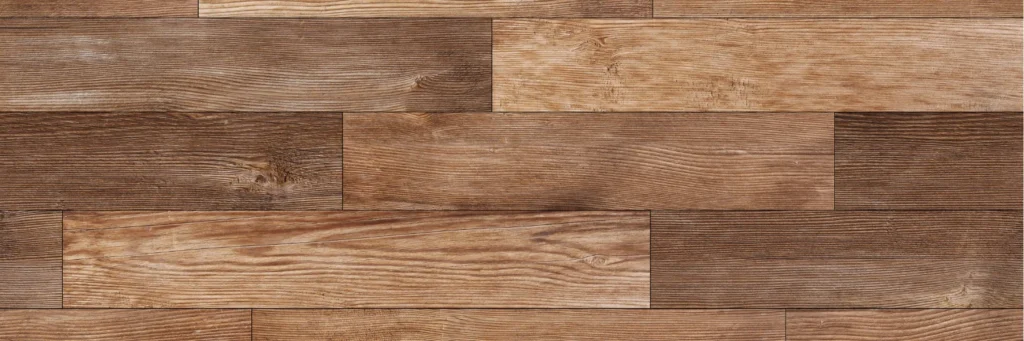
Real wood, whether solid or engineered, is a natural material with a sealed or oiled finish on top. It cleans up beautifully, but it is the least forgiving with moisture, so it is always cleaned with light, controlled damp and dried quickly.
Laminate is a printed image of wood bonded onto a fibreboard core. The surface is tough and scratch-resistant, but the core swells if water reaches it, which is why the joints are its weak point. LVT (a modern vinyl tile flooring) and sheet vinyl are the most water-tolerant of the four, built to handle kitchens and bathrooms, so they take a more thorough clean without the same risk. The catch with LVT is the seams and the textured grain, where grime settles and a quick mop skates straight over it.
Least Water-Tolerant
- Real wood: natural, absorbs moisture, can cup and swell
- Laminate: fibreboard core that lifts at the joints if wet
- Both need controlled moisture and quick drying
More Water-Tolerant
- LVT: hard-wearing, handles a thorough clean, grime hides in the grain
- Vinyl: built for kitchens and bathrooms, most forgiving of the four
- Still cleaned without flooding the seams
How We Identify Your Floor
The first thing we do is work out exactly what you have, because a laminate that looks like oak needs a very different clean to the real thing. It only takes a minute, and it is the step that protects your floor.
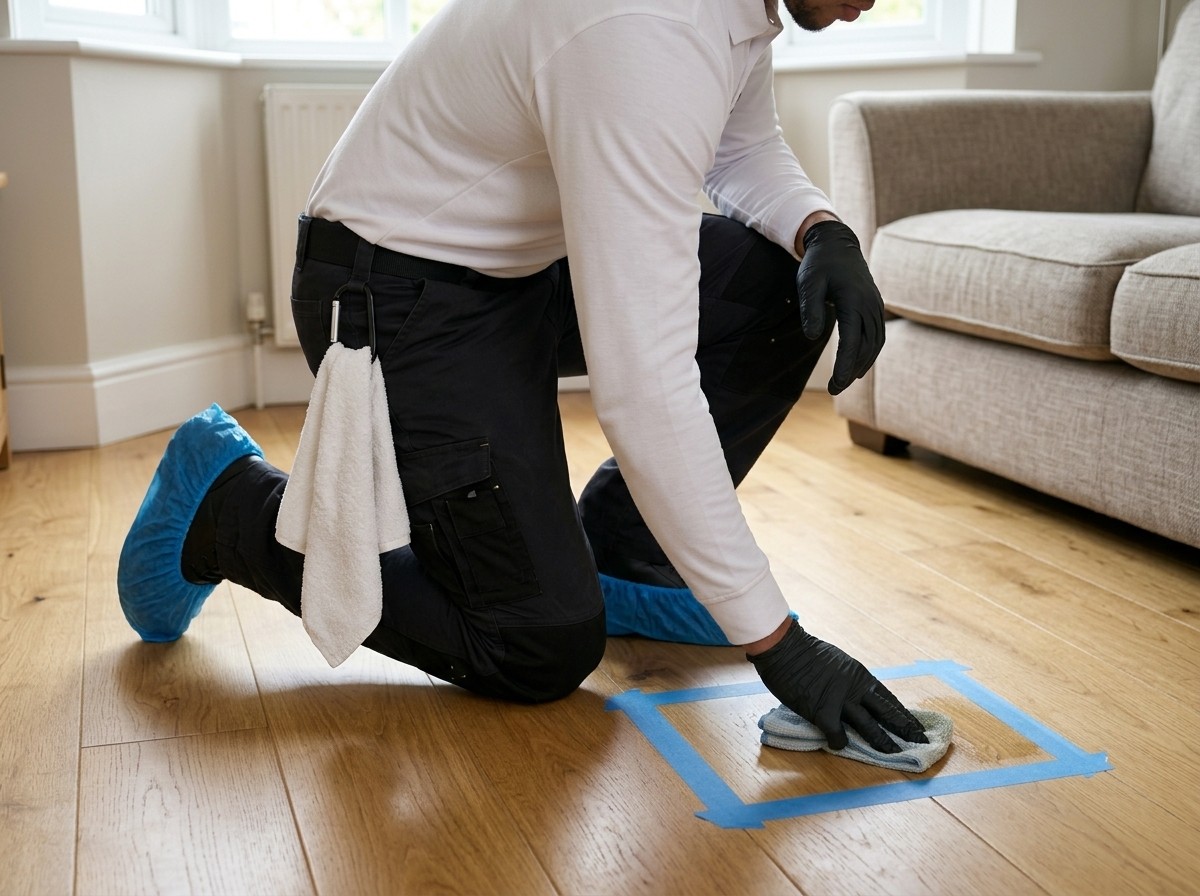
We look at the wear at the edges and the joints, the texture of the surface, how the grain repeats, and how it responds to a small amount of moisture in a hidden spot. That tells us whether it is solid or engineered wood, laminate, LVT or sheet vinyl, and whether the finish is sound. Only then do we choose the method. We spot-test a discreet area before we start every single time, so you are never the test patch.
Before any floor is cleaned, we test a small out-of-the-way area with the method and product we intend to use. It confirms the finish is sound and that nothing reacts badly. If a floor is worn, unsealed or fragile, we would rather find out on a patch you never see than on the middle of your hallway.
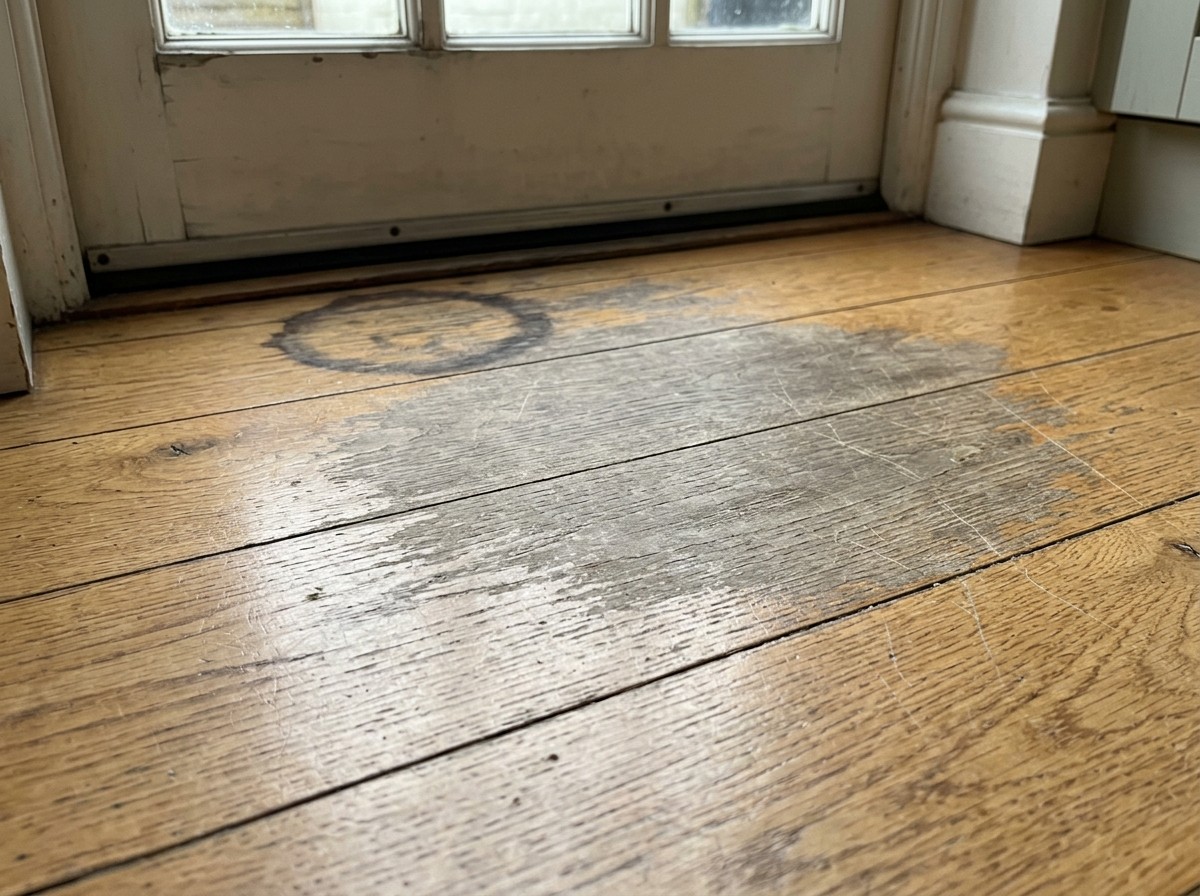
If we find something you should know about, worn finish, an old water mark, a board that has already lifted, we tell you before we start. In our experience it is far better to be straight about what a clean will and will not fix than to leave you disappointed after.
Not Sure What Your Floor Is?
Tell us what you have, or send a photo, and we will tell you what it is and how we would clean it safely. Take your time deciding.
Cleaning Each Type Safely
Once we know the floor, the method follows. The principle is the same throughout: lift the grit first, control the moisture, dry as we go.
We always start dry. Loose grit is what scratches a hard floor, so dragging a wet mop through it does more harm than the dirt ever would. We lift it off first, then clean.
For real wood and laminate, we clean with light, controlled damp and a product suited to a sealed or laminate surface, working in small sections so no water is ever left sitting on the boards or running into the joints. Each section is dried as we finish it. For LVT and vinyl we can be more thorough, lifting ground-in soil out of the grain and seams, still without flooding them. The result is an even, refreshed floor that is walkable again quickly because we never over-wet it.
- Loose grit lifted off first, so nothing gets dragged across the surface
- Wood and laminate cleaned damp, in small sections, dried as we go
- LVT and vinyl cleaned more thoroughly, grain and seams included, seams never flooded
- The right product matched to the floor, spot-tested before it goes down
What We Do and Don’t Do
This is where we would rather be plain than oversell. A professional clean does a lot for a hard floor, but it is not restoration, and it is only fair to tell you where the line sits.
We clean and refresh wood, laminate, LVT and vinyl. What we do not do is sand, re-finish or re-lacquer real wood. That is a joinery and restoration job, a different trade with different equipment, and if that is what your floor actually needs we will tell you so rather than sell you a clean that will not fix it. A clean lifts grime, footmarks and dull film off the surface. It cannot undo scratches, worn-through finish or damage in the material itself.
What A Clean Does
- Lifts ground-in grime, footmarks and dull film
- Clears the seams and grain on LVT and vinyl
- Leaves an even, refreshed floor that dries quickly
What A Clean Won’t Do
- Sand, re-finish or re-lacquer real wood
- Undo scratches or worn-through finish
- Repair old water damage in the material itself
If a spill happens between cleans, the safest move is simple: wipe it up straight away with a barely-damp cloth, never leave water standing on wood or laminate, and give us a call if a mark will not shift.
Our Approach: Identify, Control, Straight
Our whole method for hard floors is built around protecting what you already have. We identify the floor first, spot-test a hidden area, then clean with the moisture kept under control so nothing is ever left soaking. We match the product to the surface rather than using one wet mop for everything, and we dry as we go. If a floor needs more than a clean, we tell you plainly, because the straight answer is worth more to you than the booking.
Wood, laminate, LVT and vinyl each need their own care, and over-wetting is what ruins the first two. Identify the floor, control the moisture, dry as you go, and you are left with an even, refreshed floor. We clean and refresh, we do not sand or re-lacquer, and we will always tell you which one you actually need.
Our Hard-Floor Cleaning Process
It isn’t one step. It’s a simple sequence built to clean your floor thoroughly without ever putting it at risk.
Identify & TestWe confirm whether it is wood, laminate, LVT or vinyl, then spot-test a hidden patch.
Lift The GritWe clear loose grit off first, because dragging grit across a floor is what scratches it.
Controlled CleanWe clean damp, not wet, in small sections, with the product matched to the surface.
Dry As We GoEach section is dried as we finish it, so no moisture sits in the joints and it’s walkable quickly.
Why Prestige Refresh
When customers tell us why they chose us, the same four reasons come up. They’re the standard we hold every job to.
What Customers Say
We could tell you we’re careful with hard floors. It means more coming from the people we’ve actually cleaned for. We’re rated 5.0 from 338 Google reviews, and these come straight from them, unedited.
Our Golden Guarantee
The Golden Guarantee
We work carefully, safely, and openly. The floor identified first, moisture kept under control, and clear communication about what a clean can and cannot do, backed in writing.
Quick Answers
Why is over-wetting bad for wood and laminate floors?
Real wood and laminate hate standing water. Wood absorbs moisture and can cup, swell or lift, and laminate has a fibreboard core under a printed layer, so water seeping into the joints makes the boards swell and lift at the edges. The damage often cannot be reversed. That’s why controlled moisture matters more than any product: we clean these floors damp, not wet, and never leave water sitting on the surface.
How do you clean each type of hard floor safely?
We identify the floor first, then match the method. Real wood and laminate are cleaned with light, controlled moisture and a product suited to a sealed or laminate surface, worked in small sections and dried as we go. LVT and vinyl are more water-tolerant, so we can lift ground-in soil more thoroughly, still without flooding the seams. We spot-test a hidden area before we start every time.
Do you sand or re-finish wood floors?
No. We clean and refresh hard floors, we don’t sand, re-finish or re-lacquer real wood. That’s a joinery and restoration job, and we’ll tell you plainly if that’s what your floor actually needs rather than sell you a clean that won’t fix it. A professional clean lifts grime and dulling from the surface, but it doesn’t repair worn or damaged finish.
What results should I expect from a hard-floor clean?
A properly cleaned hard floor looks even and refreshed, with ground-in grime, footmarks and dull film lifted from the surface, and it dries quickly because we control the moisture. What a clean can’t do is undo scratches, worn finish or old water damage in the material itself. We tell you before we start what will lift and what won’t.
Let us know how we can help you today.