It’s the question most people ask once a carpet stops looking quite as fresh as it used to, and it’s exactly the right one to ask. Here is a straight answer you can plan around.
Every 12 to 18 months for most homes. Every 6 to 12 for busy households with children, pets or heavy traffic.
Vacuuming lifts the surface dust, but the grit, oils and allergens that settle deep in the pile only come out with a proper professional clean.

Jump to a section
The short answer
What decides how often
Why vacuuming isn’t enough
A rushed clean vs our standard
What to expect on the day
Our cleaning process
What a clean involves Does the fibre change the rhythm? A schedule for your home The Golden Guarantee
The Short Answer
You want a clear figure to plan around, not a vague “it depends”, so here it is. As a general rule, have your carpets professionally cleaned every 12 to 18 months. If you’ve got a busy household, young children, pets, or heavy daily traffic through the hall and living room, move that closer to every 6 to 12 months.
- Quiet home, adults only: every 12 to 18 months
- Family with children: every 6 to 12 months
- Pets in the house: every 6 to 12 months
- Allergy or asthma in the household: roughly every 6 months
That isn’t a number we’ve plucked from the air. It’s the point at which a clean still costs less than the damage neglect does, because once embedded grit starts cutting the fibres, no clean brings that wear back.
The right rhythm keeps the carpet looking newer for longer and protects what you paid for it. The rest of this page explains what shifts that figure for your home, and why your vacuum alone can’t hold the line.
What Actually Decides How Often
The 12-to-18-month rule is the starting point. A few things about your home pull it in one direction or the other.
No two homes wear their carpets the same way, so the straight answer is to read your own. We see it on jobs every week: the busy family home with a dog needs the lounge doing far sooner than the quiet spare room, and the traffic lanes will tell you which is which.
These are the factors that move the dial, and most households tick at least one or two of them.
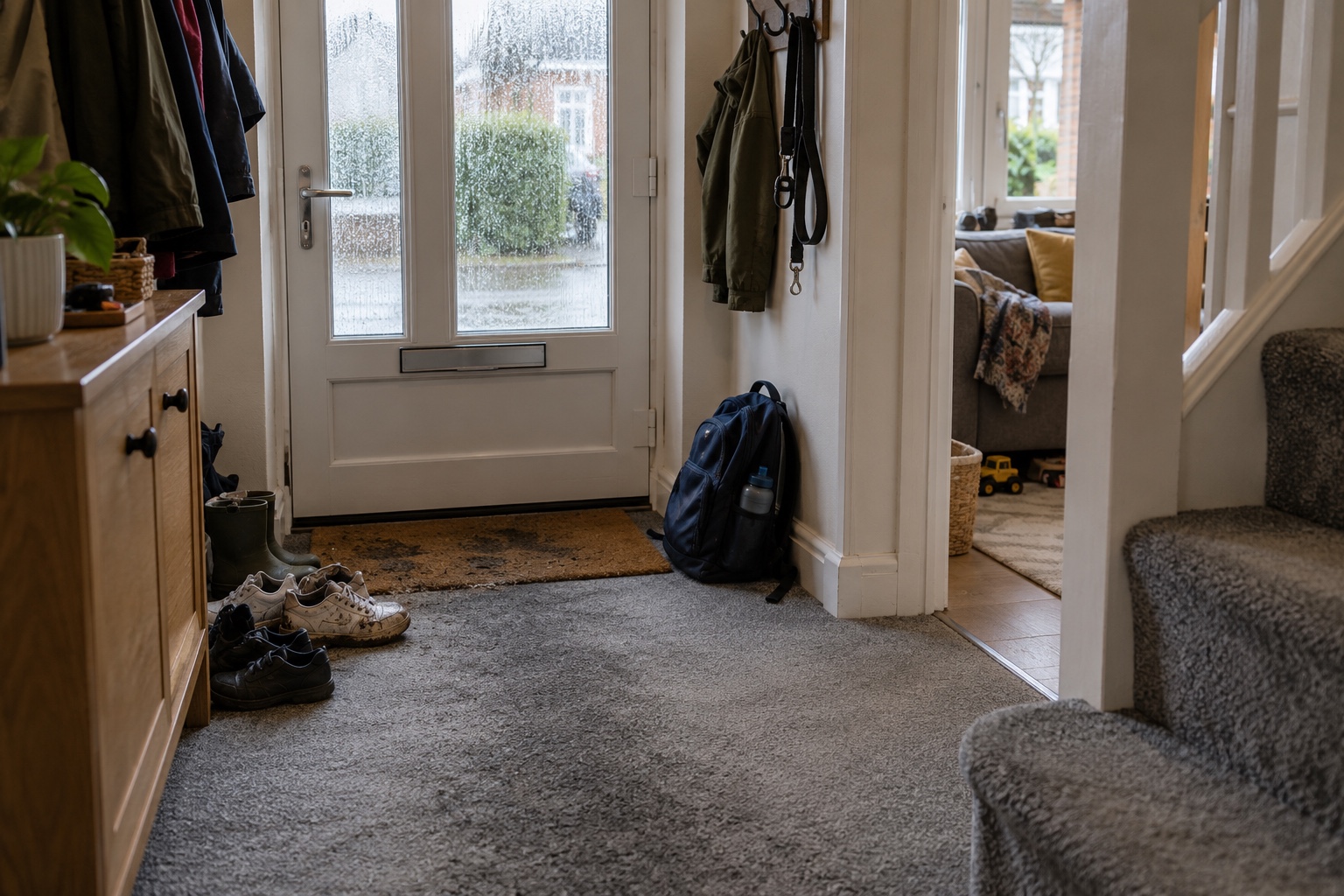
- Foot traffic. A hallway and main living room take far more wear than a spare bedroom, so the busy rooms often need cleaning twice as often as the quiet ones.
- Children. Spills, food, felt-tips, and constant play on the floor mean a family home benefits from a clean every 6 to 12 months.
- Pets. Hair, dander, muddy paws, and the odd accident all add up. Pet homes are best served every 6 to 12 months, sooner if there’s been an accident.
- Allergies and asthma. Carpets trap dust, dust mites, and pollen. If someone in the house is affected, a clean roughly every 6 months keeps that trapped load down.
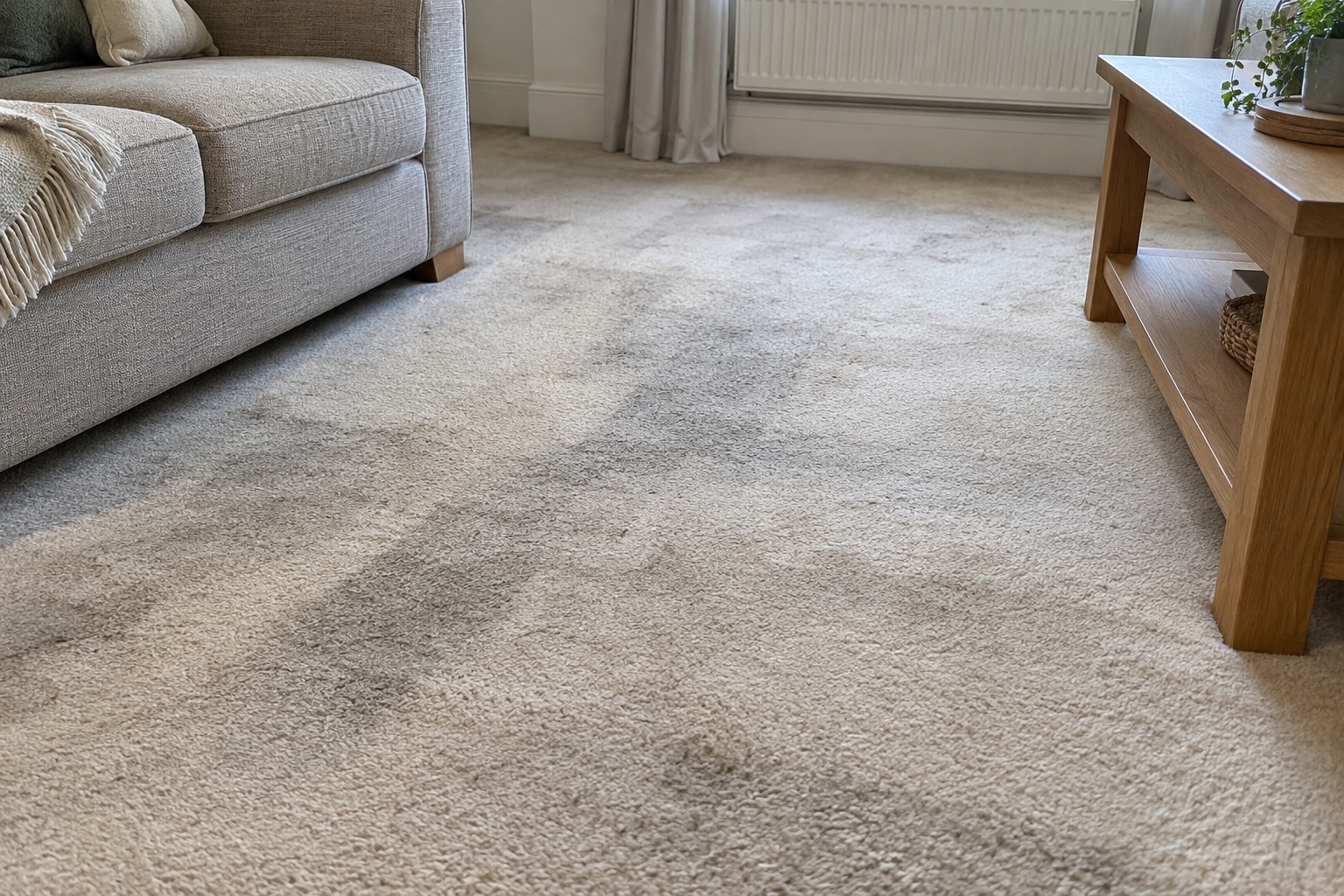
- Light carpets. Pale and cream pile shows traffic lanes far sooner, so it usually wants a slightly tighter schedule to stay looking its best.
The allergy factor is worth taking seriously. According to Allergy UK, house dust mite allergy is very common and is one of the main indoor triggers for asthma and allergy symptoms, and carpets, upholstery and mattresses are exactly where that load gathers between cleans.
Manufacturers’ warranties are worth a mention too. Many carpet makers expect a professional hot water extraction clean roughly every 12 to 18 months to keep the guarantee valid, so the right rhythm can protect more than just the look.
Why Your Vacuum Isn’t Enough
This is the part that catches people out. A good vacuum is genuinely useful, and weekly vacuuming is the single best thing you can do between professional cleans. But it works on the surface. The problem lives deeper.
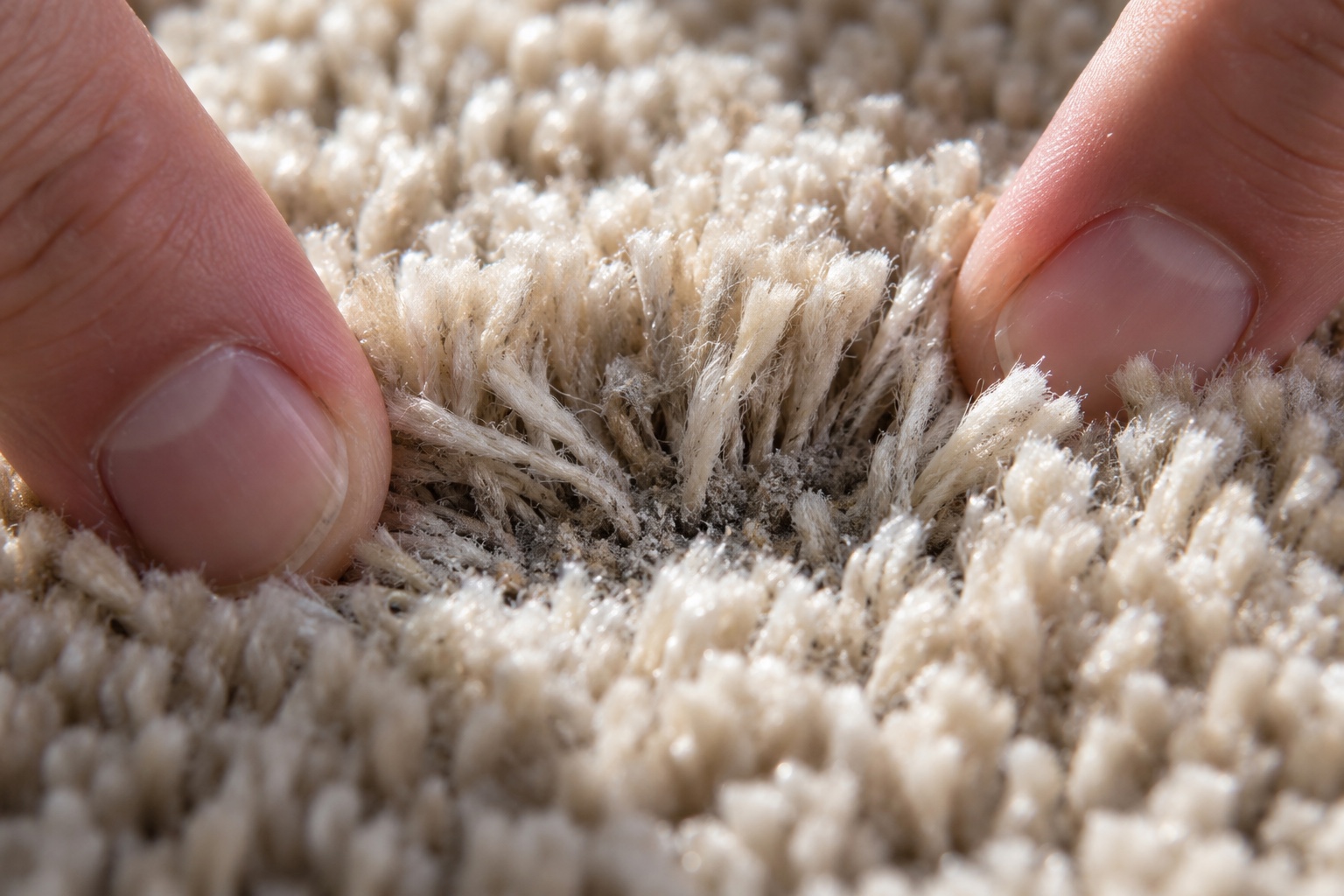
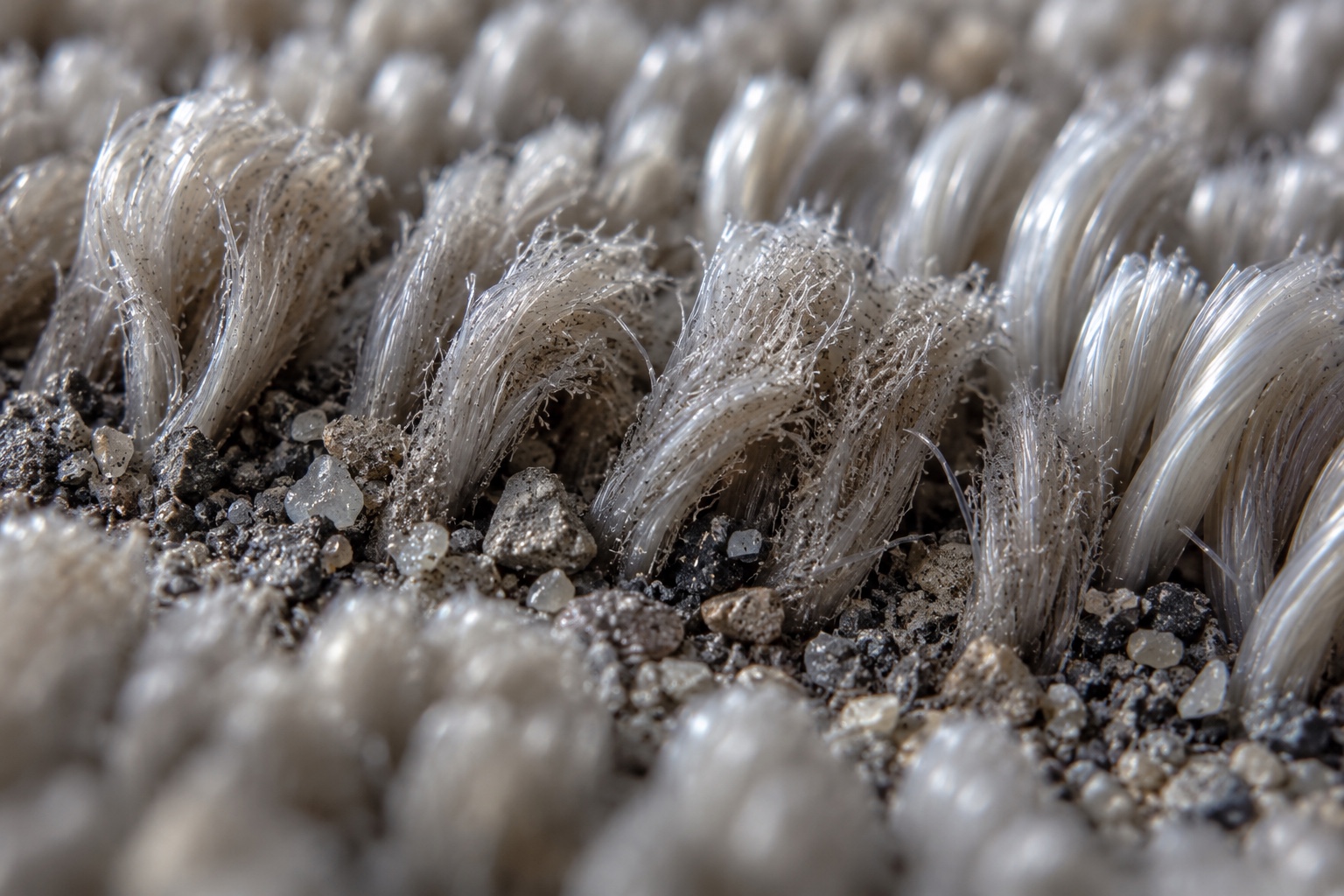
Every day, fine grit, skin cells, oils, and allergens settle down past the tips of the fibres and into the base of the pile, where a vacuum’s suction can’t reach.
There the grit behaves like thousands of tiny blades, and every footstep grinds it against the fibres. That’s what dulls a carpet and wears the traffic lanes flat, long before the carpet is actually old.
The dust side matters as much as the wear. According to Asthma and Lung UK, 1 in 2 people with a lung condition say that dust makes their condition worse, and the deep pile is where that dust sits between cleans.
A professional clean reaches what the vacuum can’t. We lift that embedded load out with hot water extraction, the deep flush a domestic machine simply isn’t built to deliver. Do it on a sensible schedule and you’re not just freshening the look, you’re removing the grit that would otherwise be sanding your carpet down from the inside.
Not Sure How Often Yours Needs It?
Tell us about your home, the traffic, the pets, the little ones, and we’ll give you a straight schedule that suits it. Take your time deciding.
A Rushed Clean vs Our Standard
How often a carpet needs cleaning is partly about how well it was cleaned last time. A rushed job leaves dirt behind and brings the next clean forward.
Here’s something most people never hear. A cheap or rushed clean can actually shorten the time before your carpet looks grubby again.
If detergent is left in the pile rather than rinsed out, that residue is sticky, and it pulls dirt back in fast. So the carpet greys over within weeks, and you’re booking again far sooner than you should need to.
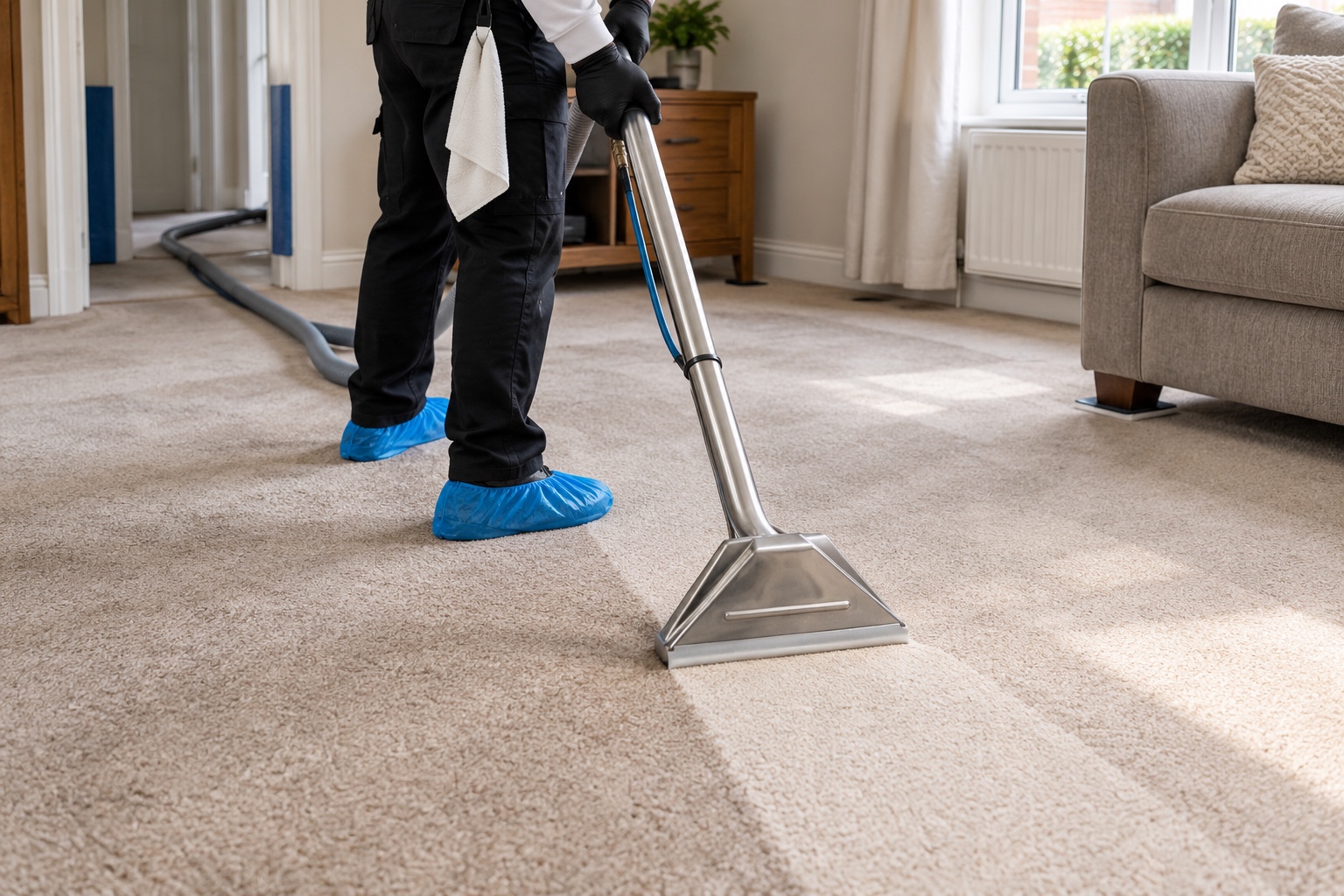
The standard we hold every job to is built to last. We clean with professional hot water extraction using the Enforcer 400, not the domestic or hire machines that over-wet and under-extract, and we rinse the solution back out rather than leaving it to dry into the fibre.
A carpet that’s been cleaned properly, and dried properly, stays cleaner for longer, which is exactly what lets you stretch comfortably to that 12-to-18-month rhythm.
The Common Shortcut
- Cheap domestic or hire machines
- Over-wets and leaves residue behind
- Sticky pile that greys again within weeks
The Prestige Refresh Standard
- Professional hot water extraction
- Rinsed and extracted, no residue left
- Stays cleaner longer, so you book less often
What To Expect On The Day
Booking a clean shouldn’t be a leap into the unknown, so here’s exactly how a visit runs. It’s a simple, methodical process, and the same scope covers your upholstery, rugs, mattresses, hard floors, and tiles and grout if you’d like them done at the same time.
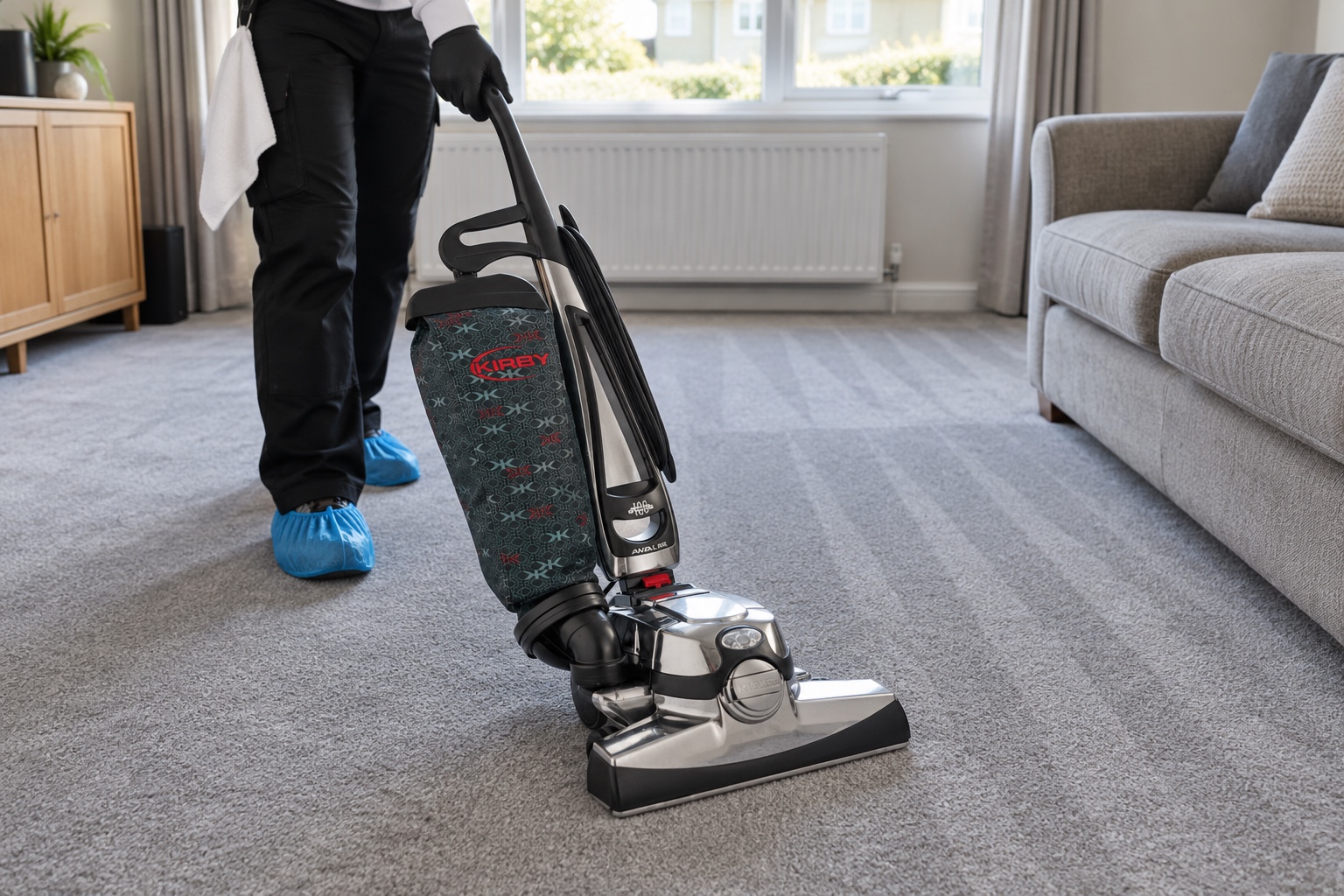
We start by inspecting the rooms and spot testing a hidden area, so you know exactly what we’re doing before we do it. Then the Kirby dry vacuum lifts the loose, dry soil, a pre-spray goes down to break the dirt’s grip, and we agitate it through the pile so it reaches the base, not just the surface.
Hot water extraction with the Enforcer 400 flushes the loosened soil and most of the moisture straight back out. Dry pods speed the drying, the Gold Musk deodorise finish leaves the room fresh, and we groom the pile so it dries standing upright. You’re left with a clean, near-dry carpet, not a soaked one.
Drying usually takes six to twelve hours, sooner with warmth and airflow and longer without, so the room is normally back in use the same day. If timing matters, ask about our same-day dry as a priority.
Most carpets want a professional clean every 12 to 18 months, busier homes with children, pets, or allergies every 6 to 12. Vacuum weekly in between, clean properly on schedule, and your carpet looks newer and lasts longer.
The Golden Club is the way to maintain the standard year-round. A qualifying clean from £250 opens membership, then three light maintenance visits a year and up to three emergency call-outs, on Maintain, Premium or Estate plans at £49, £59 or £69 a month.
Your exact plan is confirmed on the day, and non-members get the same work and the same guarantee.
Our Cleaning Process
It isn’t one pass with a machine. It’s a sequence built to reach the deep dirt your vacuum leaves behind, then get the carpet dry and back in use quickly.
Inspect & Spot TestWe walk the rooms with you, agree the plan, and spot test a hidden area before any work begins.
Dry Vacuum & Pre-SprayThe Kirby dry vacuum lifts the loose soil, then a pre-spray is agitated through the pile to the base.
Hot Water ExtractionThe Enforcer 400 flushes the loosened soil and most of the moisture straight back out of the fibre.
Dry, Deodorise & GroomDry pods speed drying, the Gold Musk finish freshens the room, and the pile is groomed to dry upright.
What A Clean Actually Involves, Step By Step
If you are going to book one every year or so, it helps to know exactly what you are booking. An ordinary lounge, around 45 minutes.
Walk-through and spot test, 10 minShoe covers on. We check the fibre, because wool and polypropylene want different treatment, look at the traffic lanes and any marks, test a hidden corner and confirm the price.
Kirby dry vacuum, 10 to 20 minThe loud, slow part. It lifts the grit that your weekly vacuum reaches only the top of, before any water goes down. Wet grit becomes mud; lifted grit leaves.
Pre-spray and agitation, 5 to 8 minA fine mist of WoolSafe-approved pre-spray, brushed into the base of the pile and left for a few minutes to loosen the oils that bind soil to the fibre.
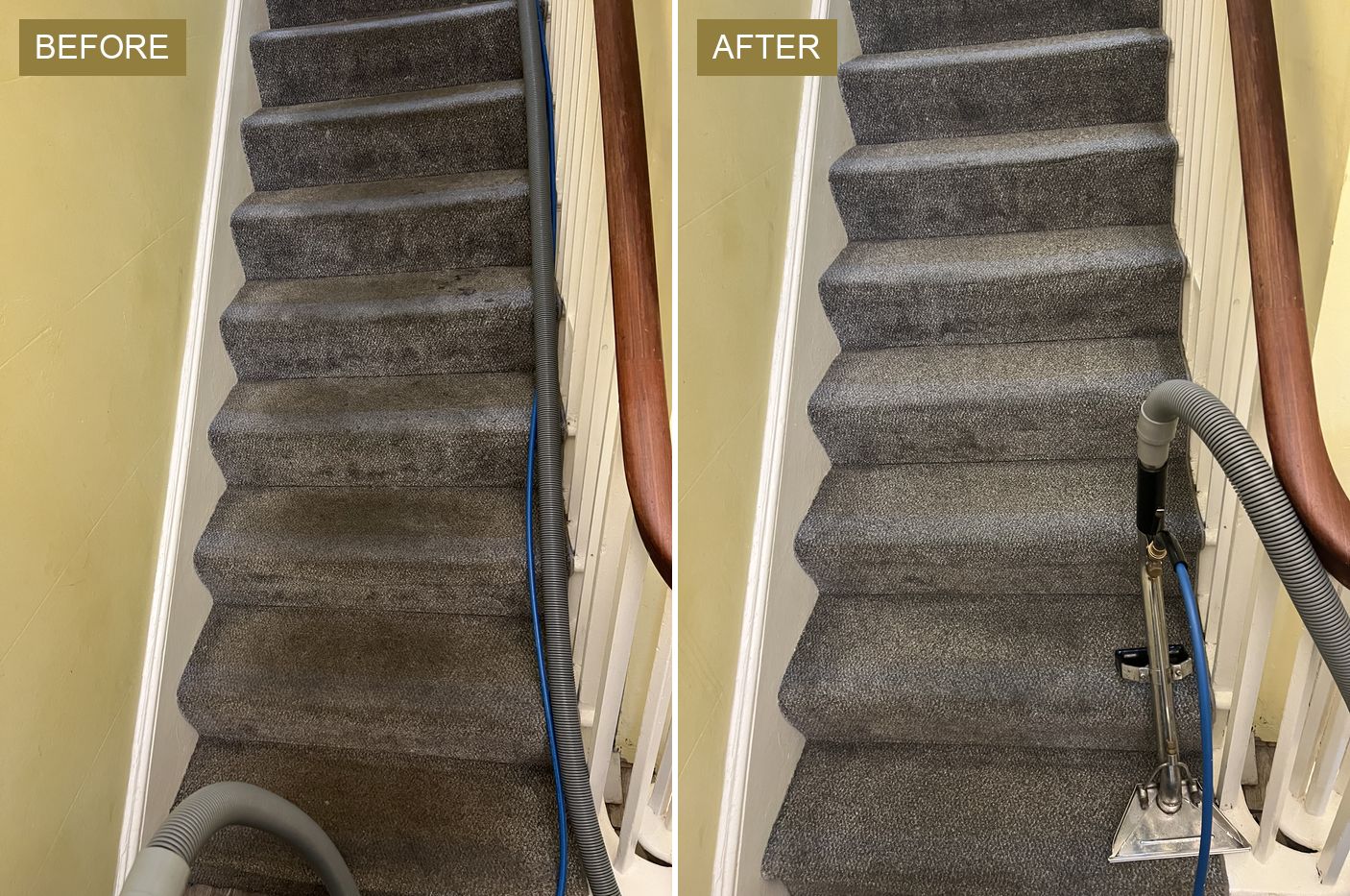
Hot water extraction, 12 to 15 minThe machine hums from the hallway and the wand goes over the carpet in overlapping passes. You can see the dirty water coming back. Traffic lanes get extra passes, then dry passes to pull the backing dry.
Deodorise, groom, air, 5 minDeodorising and sanitisation, the pile raked so it dries standing up, an air mover set on the room. Dry in six to twelve hours, sooner with warmth and airflow.
What you are left with is a carpet with the grit lifted out of the base of the pile, the oils rinsed off the fibres and the pile standing up again. That is what resets the clock to the next clean. A quick spray-and-suck clean does not, which is why it needs repeating sooner.
Wool, Synthetic And Delicate: Does The Rhythm Change?
The 12 to 18 month guide holds across fibres, but what each one needs from the clean is different.
Synthetic (polypropylene, nylon)
- Hard-wearing and stain-resistant, but the pile crushes in traffic lanes and holds oily soil
- Takes a firmer clean and dries fast
- Lighter shades show the lanes sooner, so cream carpets often want the shorter end of the range
Wool
- Hides soil well, which is a mixed blessing: it is often dirtier than it looks by the time it is cleaned
- Needs WoolSafe products, less water and fast drying, every time
- Grit cuts wool fibres faster than synthetics, so regular vacuuming matters even more between cleans
Delicate and natural rugs
- Viscose, silk, jute and sisal want the lightest method and the most testing
- Best cleaned before they look dirty, because heavy soiling needs more water than they like
- Turned and vacuumed on both sides between cleans
Upholstery and mattresses
- A sofa that is sat on daily is on the same rhythm as the lounge carpet
- Mattresses: every 12 months or so, and sooner for allergy sufferers or after an accident
- Easiest done on the same visit as the carpets, which also costs less than separate visits
A Schedule For Your Home
Four homes, four rhythms. Find the one closest to yours.
Family with pets
- Lounge, hallway and stairs every 6 to 12 months; bedrooms can stretch to 18
- A pet accident is a call-out, not a wait for the next clean: the sooner it is treated, the less reaches the underlay
- Ask for the UV torch check on each visit so no patch is missed
Allergy or asthma household
- Carpets and the mattress roughly every 6 months, because the dust-mite load is the thing being managed
- Products rinsed out, nothing left in the pile
- Keep the windows open after each clean: lower humidity is what dust mites dislike most
Quiet home, adults only
- Every 12 to 18 months is plenty, with the busy hallway doing the most work
- Vacuum weekly and the clean holds comfortably to the longer end
- A good moment to book is before the carpet looks tired, not after
Rented property
- Between tenancies as standard, with a dated receipt for the file
- Mid-tenancy if a spill or a pet has got ahead of the carpet
- A clean every tenancy is far cheaper than a replacement every third one
Between Cleans
- Vacuum weekly, slowly, in two directions, with the bag or bin emptied before it is full
- A doormat inside and out stops most of the grit at the door
- Blot spills with a clean dry cloth at once; do not rub, do not use a shop spray on wool
- Shoes off at the door, if your household can bear it, roughly halves the soil load
What To Ask Us
- For our house, with the pets and the children, what rhythm would you actually suggest?
- Is our carpet wool or synthetic, and does that change anything?
- Can you do the sofa and the mattress on the same visit, and what does that save?
- What should we do between cleans to make the result last?
Ask any of them by replying to the message that brought you here, or ring your local number. We answer plainly, and there is no pressure from us either way.
Why Prestige Refresh
When customers tell us why they chose us, the same four reasons come up. They’re the standard we hold every job to.
What Customers Say
We could tell you we give straight advice. It means more coming from the people we’ve actually cleaned for. We’re rated 5.0 from 338 Google reviews, and these come straight from them, unedited.
Our Golden Guarantee
The Golden Guarantee
We work cleanly, thoroughly, and openly. Proper hot water extraction, residue rinsed out, and straight advice on when you actually need us next, backed in writing.
Quick Answers
How often should carpets be professionally cleaned?
For most homes, every 12 to 18 months. Busy households with children, pets, or heavy foot traffic are better served every 6 to 12 months, and homes with an allergy or asthma sufferer benefit from a clean roughly every 6 months.
Vacuuming weekly in between keeps the surface dust down, but only a professional clean reaches the grit deep in the pile.
Is it bad to leave carpets too long between cleans?
Yes. Fine grit settles into the base of the pile and acts like sandpaper, grinding against the fibres with every footstep. Leave it too long and that wear becomes permanent, dulling the carpet and flattening the traffic lanes. A clean on a sensible schedule removes the grit before it can do lasting damage.
Does professional cleaning wear carpets out faster?
No, the opposite, when it’s done properly. A correct hot water extraction clean lifts out the abrasive grit that wears carpets down and rinses the solution back out, leaving nothing behind. The risk comes from over-wetting and leaving detergent residue, which is why we control the moisture and extract it back out.
Can’t I just hire a machine and do it myself?
You can freshen the surface, but a domestic or hire machine doesn’t have the suction to flush the deep grit out, and it tends to over-wet the carpet and leave detergent behind. That residue pulls dirt back in, so the carpet greys again within weeks. A professional clean reaches deeper and stays cleaner for longer.
Does a wool carpet need cleaning more or less often than a synthetic one?
About the same rhythm, 12 to 18 months for most homes, but wool hides soil well and grit cuts its fibres faster, so it often needs the clean more than it looks like it does. Weekly vacuuming matters more on wool, and the clean itself uses WoolSafe products, less water and fast drying.
Is it better to clean before the carpet looks dirty?
Yes. By the time traffic lanes show, grit has been cutting the fibres for months. A clean on a sensible rhythm lifts that grit out before it does the damage, which is what keeps a carpet looking newer for longer. It also means a lighter clean with less water, which is better for the carpet and dries faster.